Buildings
Brewery, Distillery & Food Production Roofing.
Commercial roofing for brewery, distillery & food production roofing in Charleston, SC - specifications, scheduling, and project coordination for this building type.
Request Roof WalkBrewery, Distillery
& Food Production Roofing
Brewery, Distillery & Food Production Roofing Roof Planning
- Roof walk notes tied to the building's access, drainage, and operating limits.
- Photos and observations that separate urgent protection from longer-term scope planning.
- Clear next steps for repair, maintenance, coating, recover, replacement, or further testing.
Roof Scope Notes
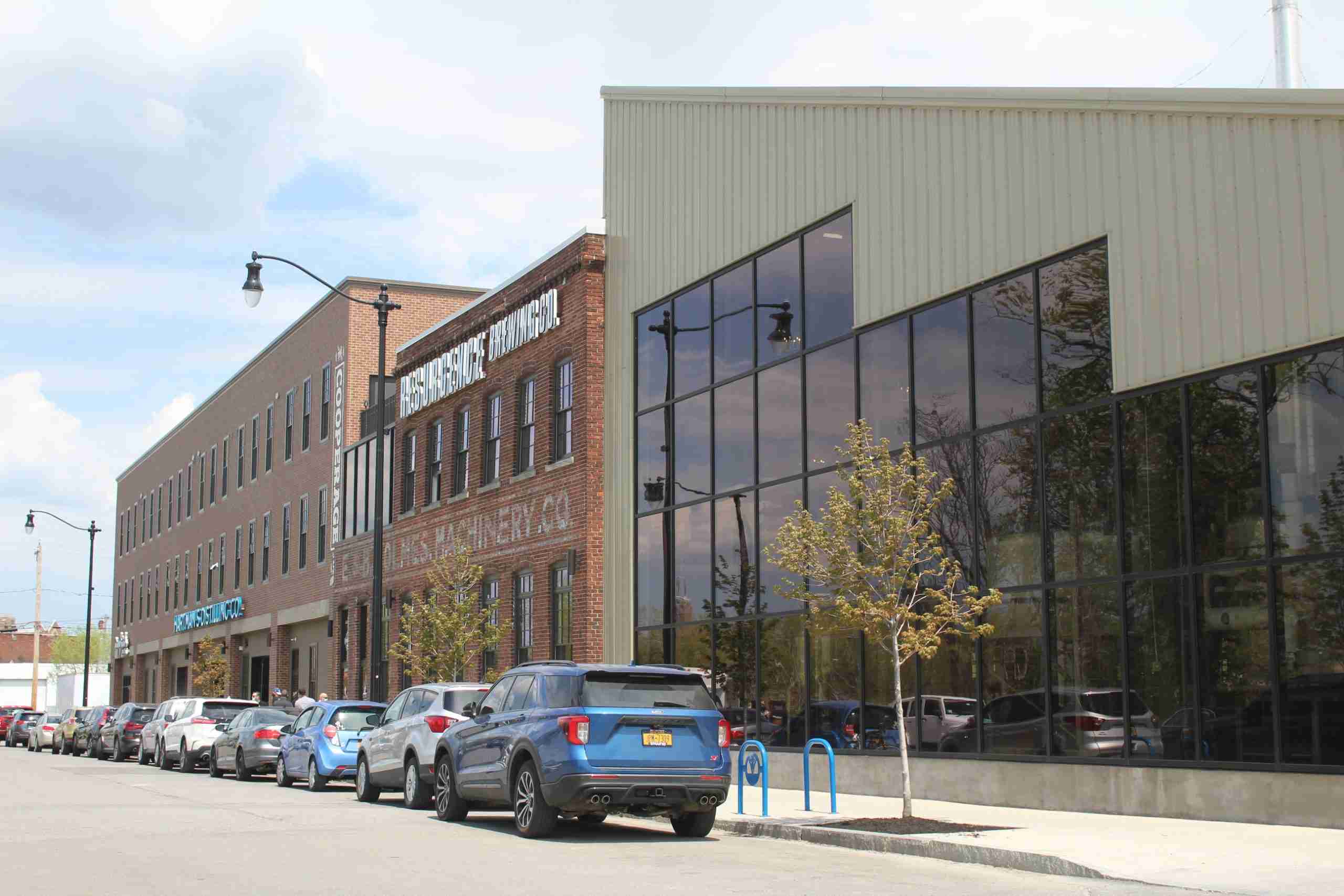
Charleston's commercial corridors stretch along the I-26 and I-526 industrial ring, the Ashley Phosphate Road commercial belt, and the rapidly expanding Summerville and Goose Creek suburban employment zones. Breweries, distilleries, and food and beverage production facilities in this market generate interior humidity and CO₂ loads that make vapor control design a critical specification decision - not an afterthought - and require roofing contractors who have worked in production environments and understand how to coordinate around active fermentation and distillation schedules.
That Charleston Manufacturing Plant Roofing detail matters because roof work can involve peninsula offices, I-26 logistics roofs, medical district buildings, port-area warehouses, hospitality roofs, coastal resorts, and retail roofs that cannot simply close while a roof is open.
Brewery, distillery, and food production facility roofing in Charleston operates within a regulatory environment that includes food safety standards, environmental compliance for production waste, and in some cases federal bonded premises requirements for regulated alcohol producers. Construction activity that affects the production environment must be managed within these constraints - not just around them. A roofing project that triggers a food safety non-conformance, a TTB bonded premises violation, or an environmental compliance incident creates regulatory exposure that the facility may spend months resolving.
Stormwater compliance during re-roofing on a production facility in Charleston requires particular attention because production facilities often discharge to the municipal sewer or to on-site treatment systems that have specific waste stream limitations. Roofing debris - membrane scraps, insulation, adhesive containers - that enters a production facility's drainage system can cause a compliance incident. We install debris capture controls at all drain openings during demolition phases and document debris disposal separately from standard construction waste, in compliance with SC's waste management regulations for facilities in regulated production occupancies.
Building permit requirements for production facility re-roofing in Charleston may include review by the city's industrial facilities inspector or the county health department, depending on the production classification of the facility. Food production and beverage manufacturing facilities are subject to health department inspection authority that extends to the building envelope in some jurisdictions - a roof replacement may trigger a health department courtesy inspection. We alert production facility operators to this possibility during pre-construction so the health department relationship is managed proactively rather than reactively.
Roofing demolition at a production facility generates material that must be segregated from production waste streams. Membrane tear-off, insulation, and adhesive containers are construction demolition waste - not production waste - and are disposed of under standard construction waste permits. If the existing roof contains materials that may have been contaminated by production chemicals (membranes near exhaust terminations, drain sumps near chemical storage), those materials may require waste characterization before disposal. We sample and characterize suspect materials before disposal and provide the waste manifest as a closeout deliverable.
TTB-regulated bonded premises must maintain control over access to the production and storage areas. Construction crews working in or on bonded premises are typically required to be escorted or supervised by a bonded employee, and the facility's security plan should address construction access protocols. Some TTB offices require notification of major construction at bonded premises. We work with the facility's TTB compliance contact to confirm the access and notification requirements before mobilization.
Questions Building Owners Ask
Related Roof Planning
Cold Storage Roofing
Cold Storage Roofing for Charleston commercial buildings. Roof inspection, documentation, repair, maintenance, and replacement planning.
K-12 School Roofing
K-12 School Roofing for Charleston commercial buildings. Roof inspection, documentation, repair, maintenance, and replacement planning.
Data Center Roofing
Data Center Roofing for commercial buildings across Charleston.
Car Wash Facility Roofing
Car wash roofing in Charleston, SC built for the humidity and chemical vapor attacking the deck from inside the tunnel - express, in-bay, and self-serve sites.
Parking Structure & Deck Waterproofing
Commercial roofing for parking structure & deck waterproofing in Charleston, SC - specifications, scheduling, and project coordination for this building type.
Healthcare Facility Roofing
Commercial roofing for hospitals, medical office buildings, surgical centers, and healthcare facilities throughout Charleston, SC.
Start With The Roof
Get
A Clear
Next Move.
Active leak, aging flat roof, coating question, replacement budget, or service agreement, start with the building address and what you are seeing. We will help move the roof from problem to plan.