Roof Planning
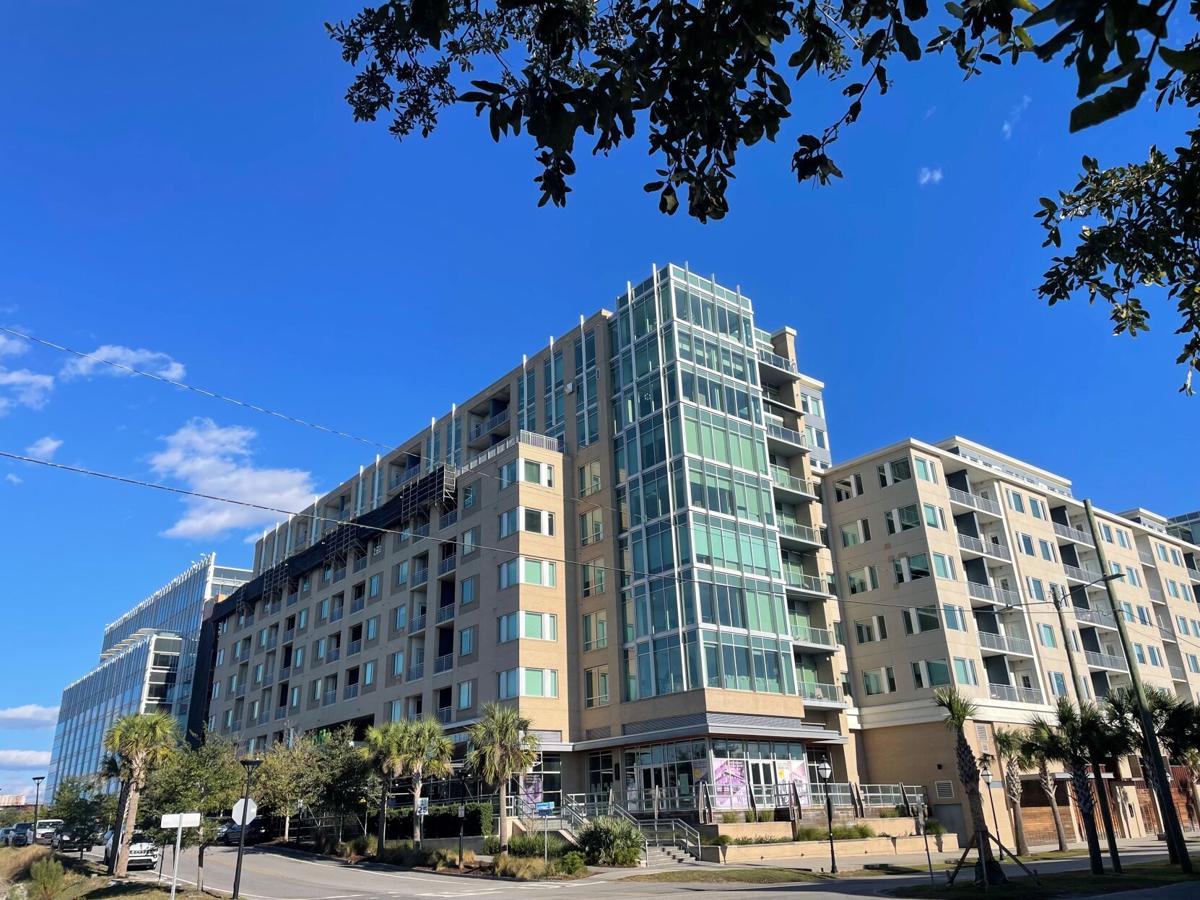
Commercial Roof Systems for Charleston Buildings.
TPO, PVC, EPDM, KEE, modified bitumen, built-up roofing, coatings, foam, and metal systems are compared by roof condition, moisture risk, rooftop traffic, salt air, drainage, and future use.
Request Roof WalkMembrane Choice
Follows The Building.
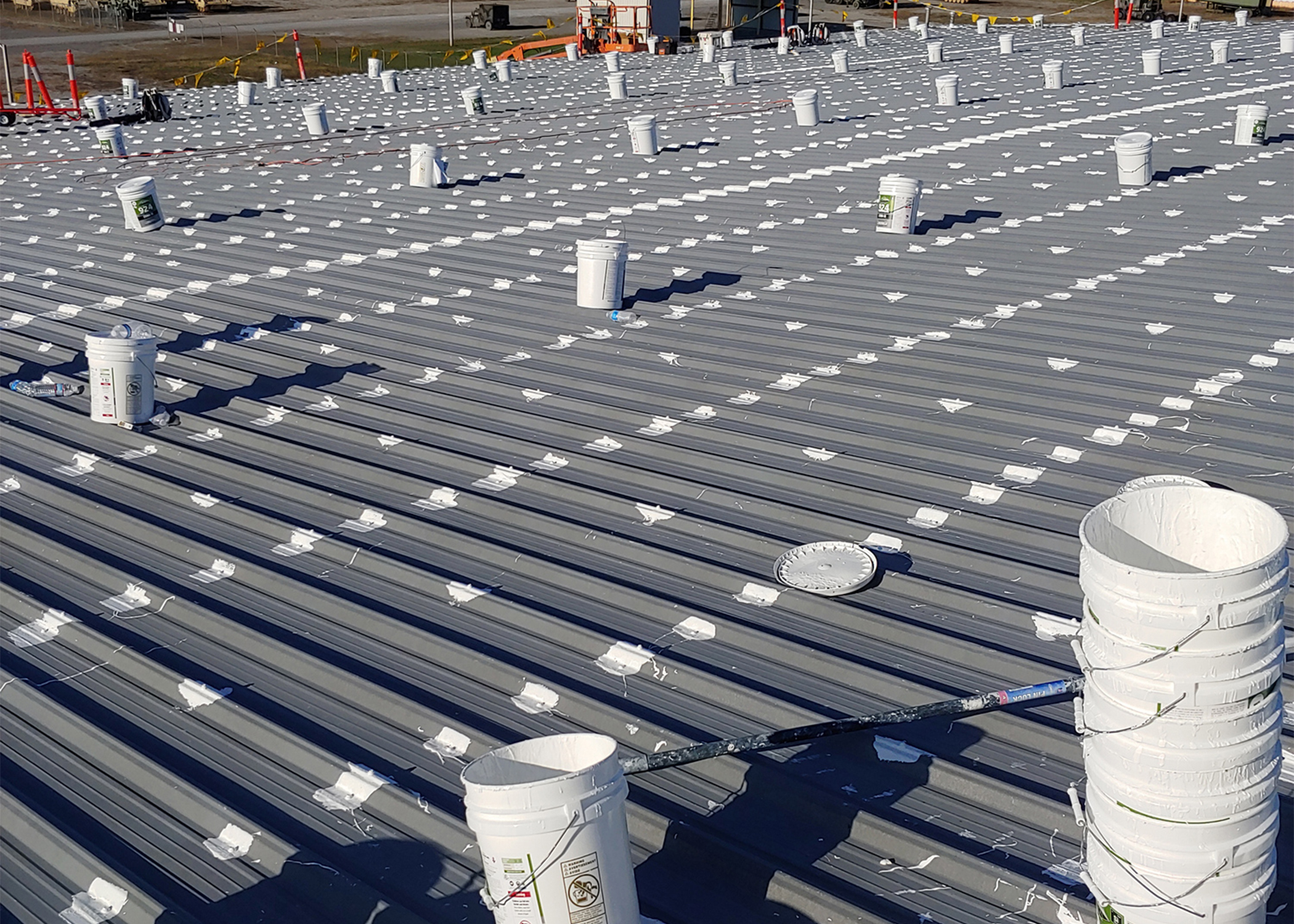
Systems For Charleston Commercial Buildings
- Document roof evidence before choosing a repair or replacement path.
- Plan roof access, dry-in, staging, and weather exposure around the property.
- Keep visible recommendations tied to the building, not borrowed claims.
Systems To Review
Acrylic and Silicone Coating Systems
Acrylic and Silicone Coating Systems for Charleston commercial buildings. Roof inspection, documentation, repair, maintenance, and replacement planning.
Black and White EPDM Roof Systems
Black and White EPDM Roof Systems for Charleston commercial buildings. Roof inspection, documentation, repair, maintenance, and replacement planning.
Built-Up Asphalt Roof Systems
Built-Up Asphalt Roof Systems for Charleston commercial buildings. Roof inspection, documentation, repair, maintenance, and replacement planning.
Fleeceback TPO Roof Systems
Fleeceback TPO Roof Systems for Charleston commercial buildings. Roof inspection, documentation, repair, maintenance, and replacement planning.
KEE Roof Systems
KEE Roof Systems for Charleston commercial buildings. Roof inspection, documentation, repair, maintenance, and replacement planning.
Modified Bitumen APP Roof Systems
Modified Bitumen APP Roof Systems for Charleston commercial buildings. Roof inspection, documentation, repair, maintenance, and replacement planning.
Modified Bitumen Roofing Systems
Modified bitumen roofing systems in Charleston, including SBS and APP options, flashing details, repairs, recover planning, and commercial roof replacement.
Modified Bitumen SBS Roof Systems
Modified Bitumen SBS Roof Systems for Charleston commercial buildings. Roof inspection, documentation, repair, maintenance, and replacement planning.
PVC Roof Systems
PVC Roof Systems for Charleston commercial buildings. Roof inspection, documentation, repair, maintenance, and replacement planning.
Spray Polyurethane Foam Roof Systems
Spray Polyurethane Foam Roof Systems for Charleston commercial buildings. Roof inspection, documentation, repair, maintenance, and replacement planning.
Standing Seam and R-Panel Metal Roof Systems
Standing Seam and R-Panel Metal Roof Systems for Charleston commercial buildings. Roof inspection, documentation, repair, maintenance, and replacement planning.
TPO 60 Mil Roof Systems
TPO 60 Mil Roof Systems for Charleston commercial buildings. Roof inspection, documentation, repair, maintenance, and replacement planning.
TPO 80 Mil Roof Systems
TPO 80 Mil Roof Systems for Charleston commercial buildings. Roof inspection, documentation, repair, maintenance, and replacement planning.
Start With The Roof
Get
A Clear
Next Move.
Active leak, aging flat roof, coating question, replacement budget, or service agreement, start with the building address and what you are seeing. We will help move the roof from problem to plan.