Roof Work
Healthcare Facility Roofing.
Commercial roofing for hospitals, medical office buildings, surgical centers, and healthcare facilities throughout Charleston, SC.
Request Roof WalkHealthcare Facility
Roofing
Healthcare Facility Roofing Roof Planning
- Roof walk notes tied to the building's access, drainage, and operating limits.
- Photos and observations that separate urgent protection from longer-term scope planning.
- Clear next steps for repair, maintenance, coating, recover, replacement, or further testing.
Roof Scope Notes
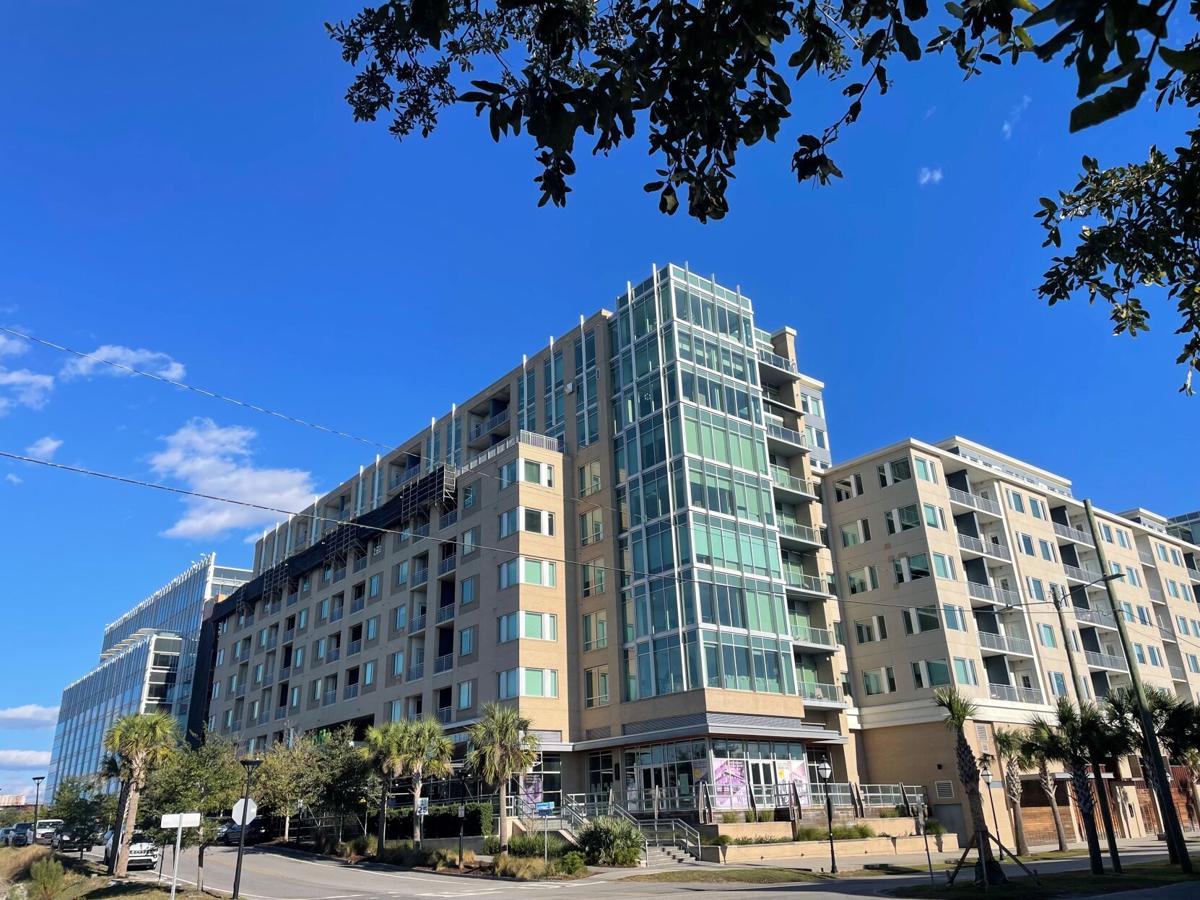
Charleston's healthcare real estate market has expanded aggressively along the I-526 corridor and into the Summerville and Nexton communities, with MUSC Health, Roper St. Francis Healthcare, and Trident Health all adding outpatient campuses and specialty clinics to serve the Lowcountry's rapidly growing population. Each of these facilities comes with a roofing challenge that goes far beyond protecting a typical commercial building - the combination of coastal humidity, tropical storm seasons, and the strict clinical standards required inside sterile surgical suites creates a threat level that demands specialized contractor expertise from the first site visit.
Charleston's subtropical climate means a roofing contractor working on a hospital or ambulatory surgical center must account for sustained wind loads that exceed what an inland building faces, and the salt-laden marine air accelerates corrosion of every metal component that penetrates the roof plane. Medical gas manifolds, oxygen vent stacks, medical vacuum exhaust, and the dozens of HVAC curbs that support air handling units for negative pressure isolation rooms all pass through the roof assembly, and every single one of those penetrations must be detailed with marine-grade flashing that will not oxidize and compromise the watertight seal within a few years of installation.
When Roper St. Francis operates a surgical center or MUSC Health runs a cancer infusion suite, a single active roof leak is not merely a maintenance nuisance - it is an immediate infection control event that can force the closure of rooms, trigger a Joint Commission notification, and expose the facility to liability. Our crews approach every healthcare reroofing project in Charleston with that standard top of mind, staging work in sections so that no room below loses its weather protection at any point during construction, and coordinating directly with the facility's infection preventionist to ensure our dust and debris containment barriers comply with the ICRA protocols that accredited healthcare facilities require.
The historic sections of the Charleston peninsula also present a distinct set of considerations. Medical office buildings that occupy converted structures near the Medical University campus must deal with aging decking, inconsistent slopes that create ponding water, and local historic preservation guidelines that influence what roof materials and colors are permissible. We navigate those requirements regularly and have the familiarity with Charleston's Board of Architectural Review processes to keep a healthcare client's renovation on schedule rather than stalled in review.
After-hours scheduling is not a courtesy offering in healthcare roofing - it is a baseline expectation. Noise-sensitive departments including cardiac catheterization labs, MRI suites, and NICU wards cannot tolerate jackhammering or heavy equipment vibration during clinical hours. Our Charleston healthcare teams work nights and weekends on those adjacencies, coordinating shift schedules with the facility's plant operations manager so that tearoff of mechanically attached insulation boards never coincides with a scheduled procedure in an adjacent suite.
Fire-rated roofing assemblies are a non-negotiable element across all occupied healthcare buildings, and in Charleston's multi-story medical towers and assisted living facilities the requirement extends to hourly ratings that go beyond what a standard commercial warehouse might specify. We install UL-listed Class A assemblies that satisfy the life safety provisions of NFPA 101 and coordinate our submittals with the project's architect of record and the South Carolina Office of State Fire Marshal when state-licensed healthcare facilities are involved.
Preventive maintenance contracts are particularly valuable for Charleston healthcare owners because the coastal storm season runs from June through November, and a facility that defers annual inspections may not discover membrane shrinkage or displaced ballast until a tropical storm is already approaching. Our maintenance programs include semi-annual inspections, drone-assisted thermal imaging to locate wet insulation before it migrates through the assembly, and written reports formatted for the facility's capital planning team so that budget requests for future work are supported by documented evidence rather than guesswork.
Questions Building Owners Ask
Related Roof Planning
Commercial Roof Restoration and Coating in Charleston
Roof Restoration and Coating for Charleston, SC commercial properties with documented conditions, practical next steps, and a clear path from immediate service to.
Hurricane Roof Damage Repair
Hurricane Roof Damage Repair for Charleston commercial buildings. Roof inspection, documentation, repair, maintenance, and replacement planning.
Industrial and Warehouse Roofing
Industrial and Warehouse Roofing for Charleston commercial buildings. Roof inspection, documentation, repair, maintenance, and replacement planning.
University and College Campus Roofing
Commercial roofing for university buildings, dormitories, academic halls, and college campuses throughout Charleston, SC.
Commercial Solar Roof Integration
Charleston, SC solar-ready commercial roofing: we handle the racking penetrations, membrane compatibility, weight and uplift checks, and the warranty coordination.
Standing Seam Metal Roofing
Standing Seam Metal Roofing for Charleston commercial buildings. Roof inspection, documentation, repair, maintenance, and replacement planning.
Start With The Roof
Get
A Clear
Next Move.
Active leak, aging flat roof, coating question, replacement budget, or service agreement, start with the building address and what you are seeing. We will help move the roof from problem to plan.