Buildings
Cold Storage Roofing.
Cold Storage Roofing for Charleston commercial buildings. Roof inspection, documentation, repair, maintenance, and replacement planning.
Request Roof WalkCold Storage
Roofing
Cold Storage Roofing Roof Planning
- Roof walk notes tied to the building's access, drainage, and operating limits.
- Photos and observations that separate urgent protection from longer-term scope planning.
- Clear next steps for repair, maintenance, coating, recover, replacement, or further testing.
Roof Scope Notes
A Charleston buyer searching for Cold Storage Roofing usually needs an answer that can survive budget review, not a vague promise. On a Cold Storage Roofing call, we ask for roof age, leak locations, tenant restrictions, roof access, rooftop equipment notes, and the event that made the roof question urgent. For Cold Storage Roofing, our job is to separate emergency protection from capital planning so a wet ceiling tile does not become a rushed replacement and an aging roof does not get patched without checking the deck and insulation.
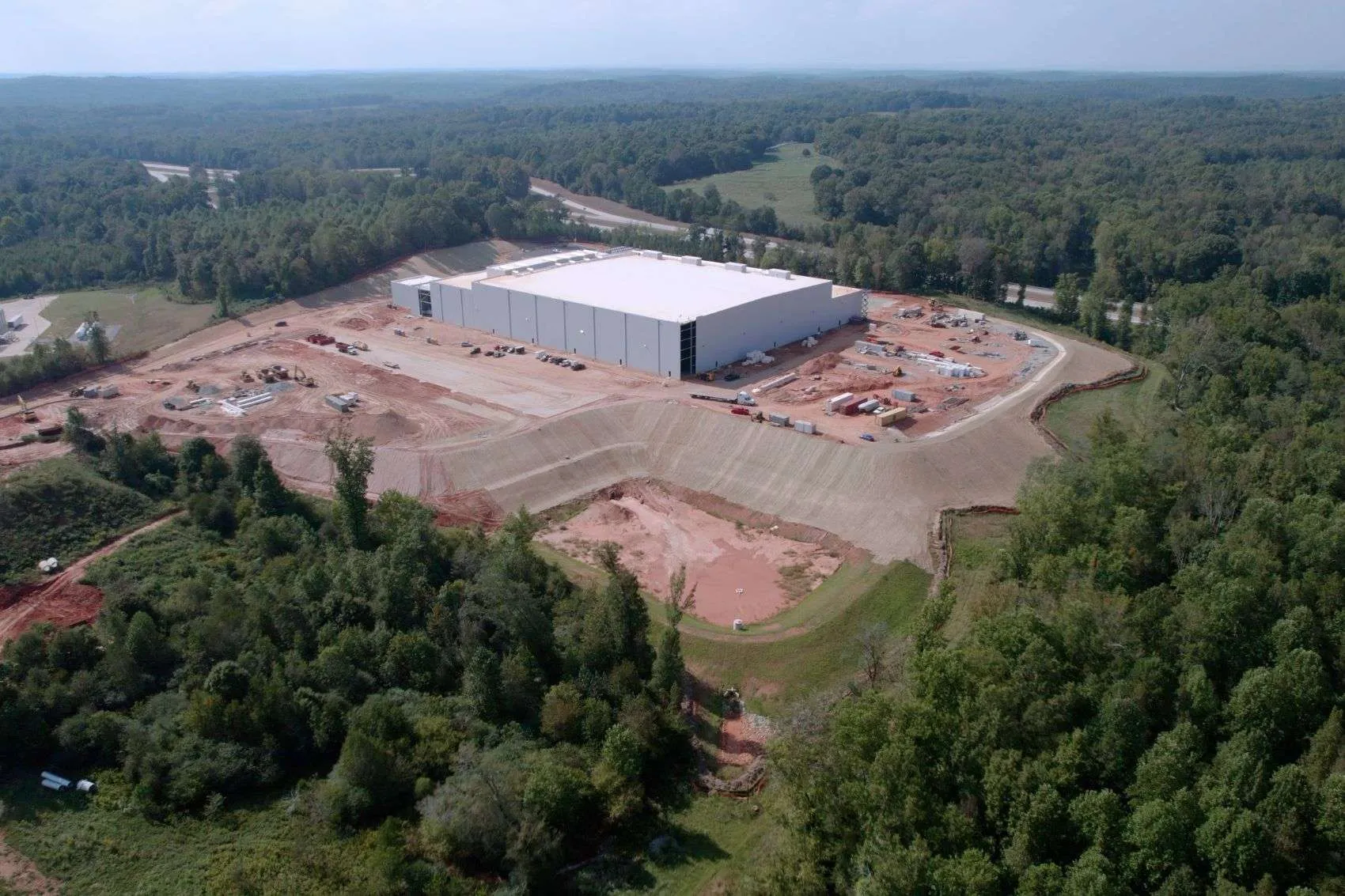
For Cold Storage Roofing, Portside Distribution Center is listed as nearly 400, near I-26. That Charleston Cold Storage Roofing detail matters because roof work can involve peninsula offices, I-26 logistics roofs, medical district buildings, port-area warehouses, hospitality roofs, coastal resorts, and retail roofs that cannot simply close while a roof is open.
The field review for Cold Storage Roofing starts with membrane, seams, laps, edges, curbs, drains, scuppers, wall transitions, previous repair chemistry, roof traffic, and the interior leak map. If a Cold Storage Roofing roof has trapped moisture, loose edge metal, backed-out fasteners, split pitch pockets, or overflow problems, those conditions go into the file before we recommend repair, coating, recover, or replacement.
For Cold Storage Roofing, Portside Distribution Center marketing materials list a white 60-mil TPO roofing membrane as part of the building features. A Cold Storage Roofing roof near the Clements Ferry Road corridor, an Upper King restaurant, a WestEdge medical office, and a Wando terminal support building do not have the same access problem or tolerance for disruption. The Cold Storage Roofing plan should explain where material lands, how the roof stays watertight each day, and what happens if coastal weather arrives before a section is complete.
We treat storm exposure as part of Cold Storage Roofing, not as a separate sales category. Charleston Cold Storage Roofing roofs see hard rain, humid heat, thunderstorm wind, and occasional hail. When we review Cold Storage Roofing after weather, we check metal edges, coping joints, membrane bruising, rooftop-unit fins, open seams, displaced ballast, drainage paths, and interior evidence so the owner can see the difference between cosmetic marks, urgent defects, and long-term risk.
For Cold Storage Roofing, Charleston Industrial's market map identifies the Clements Ferry Road corridor as a distribution corridor with close proximity to Port of Charleston terminals. That Cold Storage Roofing fact is useful because commercial roofing in the Lowcountry is tied to port logistics, aerospace, hospitality, healthcare, retail, government, campuses, and coastal resort buildings. A Cold Storage Roofing recommendation that ignores loading docks, guest entryways, tenant access, medical operations, or storm-readiness timing can cost more in disruption than it saves on paper.
The technical file for Cold Storage Roofing should include roof area, deck type, membrane type, insulation clues, existing layer count, drainage slope, attachment assumptions, perimeter conditions, and manufacturer questions. We keep certification and warranty language out of the Cold Storage Roofing file unless it is verified by the building owner or manufacturer. The owner should be able to compare a Cold Storage Roofing repair, restoration, recover, or replacement option without sorting through invented proof.
Questions Building Owners Ask
Related Roof Planning
Funeral Home & Mortuary Roofing
Quiet, occupied-building roofing for Charleston, SC funeral homes and mortuaries - service-schedule phasing, prep-room exhaust handling, and hidden low-slope areas.
Quick-Service Restaurant & Fast-Food Roofing
Commercial roofing for quick-service restaurant & fast-food roofing in Charleston, SC - specifications, scheduling, and project coordination for this building type.
Multi-Tenant Retail Strip Roofing
Multi-Tenant Retail Strip Roofing for Charleston commercial buildings. Roof inspection, documentation, repair, maintenance, and replacement planning.
Higher Education Roofing
Higher Education Roofing for Charleston commercial buildings. Roof inspection, documentation, repair, maintenance, and replacement planning.
Convenience Store Roofing
Convenience Store Roofing for commercial buildings across Charleston.
School and K-12 Educational Building Roofing
Commercial roofing for public and private schools, K-12 campuses, and educational facilities throughout Charleston, SC.
Start With The Roof
Get
A Clear
Next Move.
Active leak, aging flat roof, coating question, replacement budget, or service agreement, start with the building address and what you are seeing. We will help move the roof from problem to plan.