Roof Work
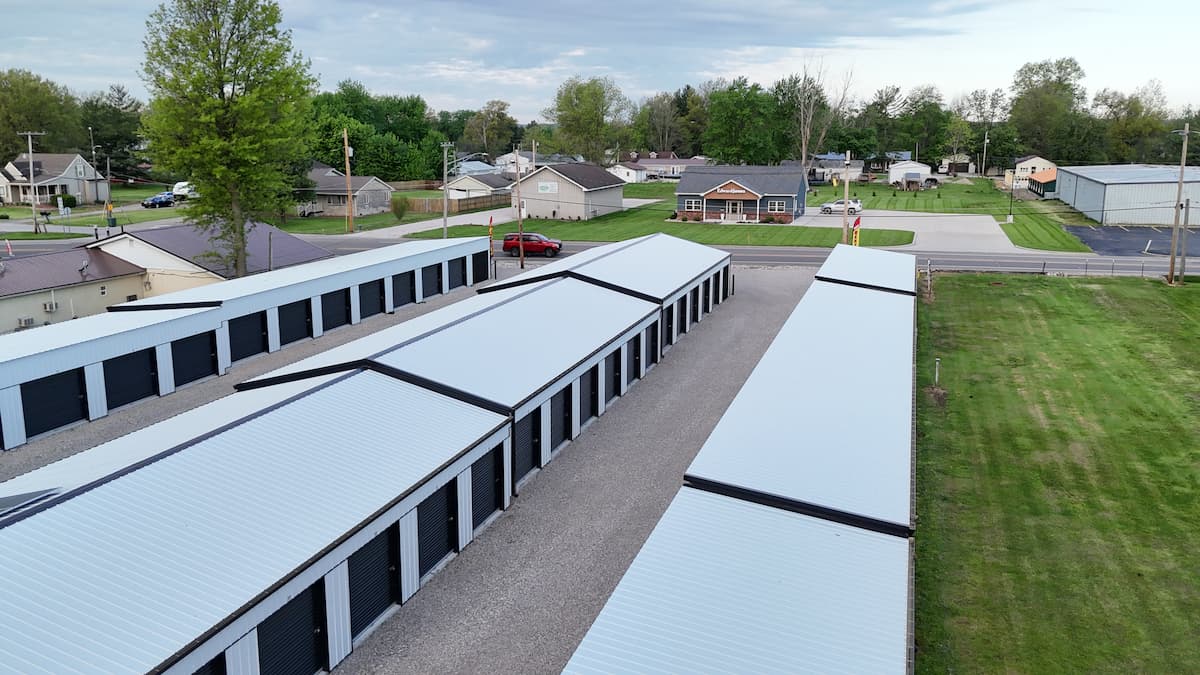
Self-Storage Facility Roofing.
Commercial roofing for self-storage facilities, mini-storage buildings, and climate-controlled storage properties throughout Charleston, SC.
Request Roof WalkSelf-Storage Facility
Roofing
Self-Storage Facility Roofing Roof Planning
- Roof walk notes tied to the building's access, drainage, and operating limits.
- Photos and observations that separate urgent protection from longer-term scope planning.
- Clear next steps for repair, maintenance, coating, recover, replacement, or further testing.
Roof Scope Notes
Charleston, South Carolina's self-storage market has grown steadily alongside the region's population boom, and operators like CubeSmart on Rivers Avenue know that the coastal climate creates roofing challenges quite different from what inland markets face. The combination of tropical-force wind events, intense summer thunderstorms, salt-laden air that accelerates metal corrosion, and high year-round humidity makes Commercial Roofing on self-storage facilities in the Charleston area a specialized discipline that rewards operators who invest in quality systems and qualified contractors.
Wind uplift is the defining design parameter for storage roofs in the Charleston area. South Carolina's coastal building codes require roofing systems to meet stringent wind uplift ratings, and facilities within the state's wind speed zones must use mechanically attached or fully adhered membranes with tested uplift resistance. Single-ply systems that rely on loose-laid ballasted configurations are not appropriate for this market. TPO and PVC membranes installed with proper edge metal, seam strength, and fastener patterns designed for high-wind zones have become the standard for new construction and re-roofing in the Charleston region.
Charleston's large self-storage footprints, often 60,000 to 100,000 square feet on sites in Summerville, North Charleston, and the West Ashley corridor, require drainage systems designed for intense rainfall events. The city averages more than 50 inches of rain annually, and summer thunderstorms can deliver two inches in less than an hour. Drain sizing, overflow scupper placement, and positive slope to drains are essential. Ponding water on a large storage roof in a high-humidity coastal environment does not evaporate as quickly as it would in a drier climate, it sits and degrades membrane seams and flashings over time.
Tenant belongings protection in Charleston's climate requires attention to both water intrusion and moisture vapor. Salt air penetrates building envelopes more aggressively than inland air, and the high ambient humidity means that even small gaps in the building envelope, including improperly detailed roof penetrations, allow warm, humid air to condense inside climate-controlled spaces. Roofing insulation must maintain continuity from wall to wall with no thermal bridges, and all penetrations must be vapor-tight as well as watertight.
Metal components on Charleston storage roofs require corrosion-resistant specification. Standard galvanized steel edge metal and coping caps begin to rust within a few years in the salt environment, creating unsightly staining and eventually failing as structural elements. Aluminum edge metal, stainless steel fasteners, and zinc-coated or painted accessories appropriate for coastal exposure should be specified on every project. This adds modest cost upfront but eliminates maintenance cycles that are far more expensive over a 20-year roof life.
Climate-controlled self-storage is essentially table stakes in Charleston's market, where heat and humidity would destroy electronics, documents, photographs, and wooden furniture in non-conditioned units within a single summer. The roofing insulation assembly is a critical component of the climate-control system's efficiency. A roof with R-25 or higher continuous insulation significantly reduces the cooling load on rooftop HVAC units during Charleston's long, hot summers. Reflective white TPO or PVC membranes provide additional benefit by reducing solar heat gain before it enters the insulation assembly.
Security infrastructure penetrations on Charleston storage roofs are subject to the same coastal exposure concerns as the metal components. Conduit runs for cameras and access keypads should use UV-resistant materials, and the roof penetration boots should be stainless or aluminum rather than galvanized steel. Many operators in the Charleston market have upgraded to wireless camera systems specifically to reduce roof penetrations, but the legacy conduit penetrations on older facilities require regular inspection and resealing.
Questions Building Owners Ask
Related Roof Planning
TPO Single-Ply Roofing
TPO Single-Ply Roofing for Charleston commercial buildings. Roof inspection, documentation, repair, maintenance, and replacement planning.
Standing Seam Metal Roofing
Standing Seam Metal Roofing for Charleston commercial buildings. Roof inspection, documentation, repair, maintenance, and replacement planning.
Insurance Claim Coordination
Adjuster roof-walk scheduling and documentation coordination for Charleston commercial roof insurance claims - photos, moisture readings, and scope notes.
Church and Religious Building Roofing
Commercial roofing for churches, worship centers, and religious facilities throughout Charleston, SC.
Hotel and Hospitality Property Roofing
Commercial roofing for full-service hotels, limited-service hotels, extended-stay properties, and hospitality brands throughout Charleston, SC.
PVC Commercial Roofing
PVC Commercial Roofing for Charleston commercial buildings. Roof inspection, documentation, repair, maintenance, and replacement planning.
Start With The Roof
Get
A Clear
Next Move.
Active leak, aging flat roof, coating question, replacement budget, or service agreement, start with the building address and what you are seeing. We will help move the roof from problem to plan.