Roof Work
Hotel and Hospitality Property Roofing.
Commercial roofing for full-service hotels, limited-service hotels, extended-stay properties, and hospitality brands throughout Charleston, SC.
Request Roof WalkHotel and
Hospitality Property Roofing
Hotel and Hospitality Property Roofing Roof Planning
- Roof walk notes tied to the building's access, drainage, and operating limits.
- Photos and observations that separate urgent protection from longer-term scope planning.
- Clear next steps for repair, maintenance, coating, recover, replacement, or further testing.
Roof Scope Notes
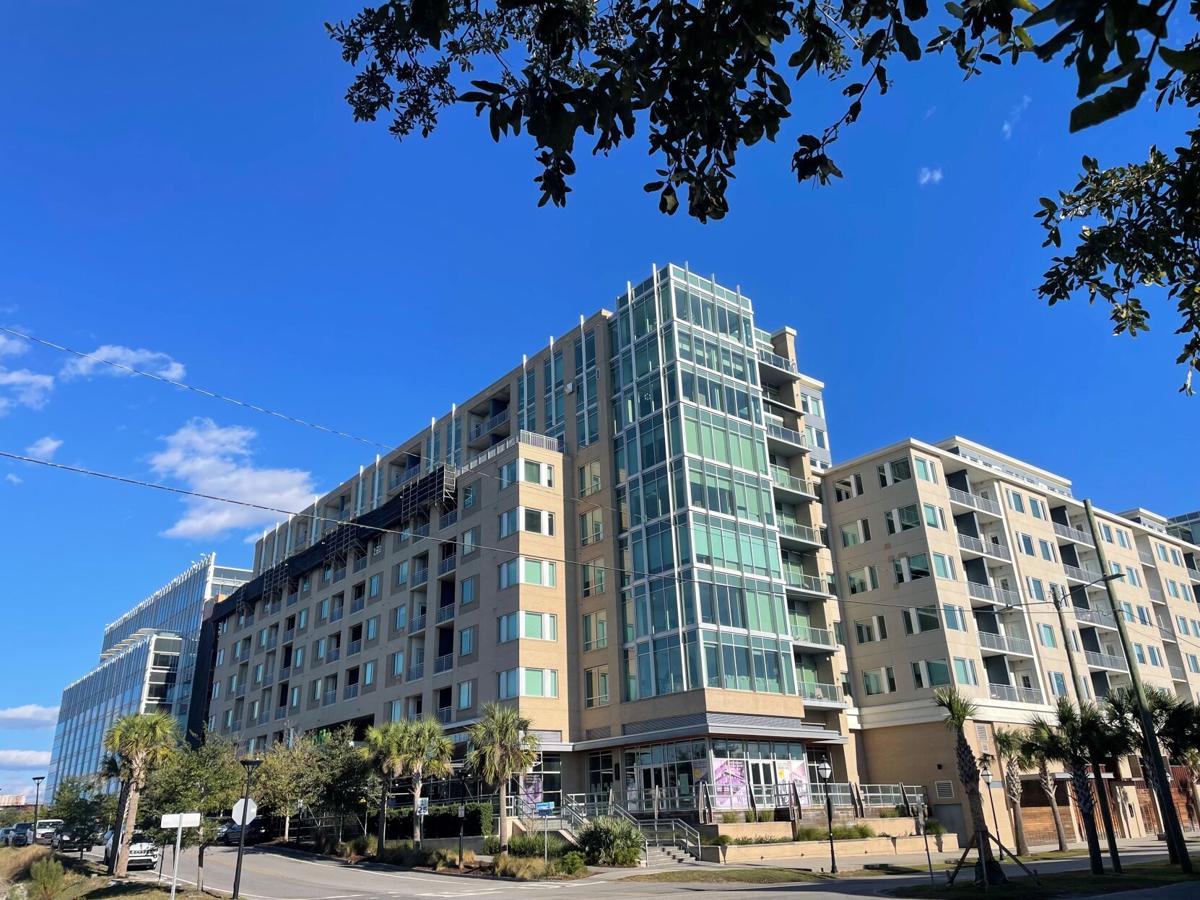
Charleston, South Carolina has cemented its position as one of the Southeast's premier travel destinations, consistently ranking among the top domestic cities for leisure travel and commanding hotel rates that reflect its stature. The historic peninsula, lined with antebellum architecture and cobblestone streets, hosts a concentration of boutique hotels, adaptive reuse properties, and nationally branded full-service hotels whose physical plants must meet the simultaneous demands of historic district aesthetics, coastal weather exposure, and the brand standards of franchisors who inspect to the same specifications they apply in Dallas or Denver. Roofing in this environment requires a contractor who understands that the visible character of a property - the standing-seam metal roofing on a rice merchant's warehouse converted to a luxury inn, the slate-profile synthetic tiles on a King Street hotel - is part of the product guests are paying to experience, and that a botched repair visible from the street is a marketing problem as much as a structural one.
The Board of Architectural Review governs exterior changes to structures within Charleston's multiple historic overlay districts, and roofing work that changes the visible character of a protected structure - altering pitch, replacing historic material types, or modifying parapet profiles - requires BAR approval before work begins. For most low-slope hotel rooftops behind parapets, this is a manageable process because the membrane is not visible from the street. But for pitched-roof hotel sections, dormer areas, or any structure with rooftop terraces that are part of the guest experience, the BAR review can take several months and may require submittals from an architect with preservation experience. Planning the permit timeline around the BAR meeting calendar is essential for keeping a PIP on schedule.
Charleston's coastal location subjects hotel roofs to a combination of hazards that inland markets do not face: high humidity that accelerates biological growth on membrane surfaces, salt-laden air that degrades metal components faster than in freshwater environments, and the periodic direct threat from Atlantic hurricanes and tropical storms. The active 2024 hurricane season is a reminder that properties on the peninsula and in the greater Charleston area, including those in Mount Pleasant and North Charleston serving the Boeing and Joint Base Charleston workforce, are not hypothetically at risk - they are routinely in the path of significant wind and rain events. Roof assemblies that lack hurricane-rated attachment details are a liability exposure that no hotel owner should accept.
Full-service hotels on the peninsula - including major brands in the Upper King development corridor and the luxury independents along East Bay - operate in a market where the average daily rate during peak season (March through May, and September through November) makes any room out of service an immediately quantifiable revenue loss. Brand PIP timelines for Charleston properties must be sequenced around these peak demand windows, which means the practical work window shrinks to June through August and the weeks between Thanksgiving and Christmas. Summer in Charleston is hot, humid, and increasingly busy with visitors who choose it for its culinary scene over beach destinations, so "summer is slow" is no longer a reliable assumption for scheduling disruptive roofing work.
Extended-stay and limited-service hotels in North Charleston and the I-26 corridor serve the region's substantial industrial and military workforce, including contractors and civilians associated with the Charleston Air Force Base and the Port of Charleston's ongoing expansion. These properties have straightforward low-slope roofs on standard rectangular footprints, but their proximity to salt air even fifteen miles inland means that metal coping, flashings, and fasteners corrode faster than the standard service life expectations would suggest. Specifying stainless steel or aluminum rather than galvanized steel for all metal components in a Charleston reroofing project is not an upcharge - it is the minimum standard for achieving expected service life in this environment.
The pool decks and outdoor terrace structures attached to Charleston's full-service and boutique properties are guest experience assets that receive heavy use across the extended shoulder seasons. Roofing assemblies below occupied terraces - waterproof membranes under pavers, drainage mats, and root barriers where any planters are integrated - require design input from a roofing consultant who understands traffic membrane systems as distinct from standard low-slope assemblies. A standard TPO membrane is not an appropriate substrate for a tiled terrace floor that guests walk across barefoot, and using one without the proper protection course and drainage provisions is a failure mode that emerges gradually, is expensive to remediate, and creates structural damage to the deck below before the source is identified.
The humidity and ambient warmth of Charleston's climate creates ideal conditions for algae, lichen, and mold growth on roofing membrane surfaces, particularly on north-facing sections and in areas shaded by adjacent structures or mechanical equipment. While biological growth on a TPO or EPDM membrane does not necessarily compromise the membrane's waterproofing performance in the short term, it retains moisture, degrades the reflective surface of white membranes, and eventually undermines seam adhesion at laps. A biocide application as part of an annual maintenance visit, combined with ensuring that drains are free of the organic debris that accumulates rapidly in Charleston's lush landscaping environment, keeps membrane surfaces in the condition that TPO and EPDM manufacturers require to maintain warranty coverage.
Questions Building Owners Ask
Related Roof Planning
R-Panel Metal Roofing
R-Panel Metal Roofing for Charleston commercial buildings. Roof inspection, documentation, repair, maintenance, and replacement planning.
Emergency Commercial Roof Repair in Charleston
Emergency Roof Response for Charleston, SC commercial properties with documented conditions, practical next steps, and a clear path from immediate service to.
Warehouse and Distribution Center Roofing
Commercial roofing for warehouses, distribution centers, and industrial facilities throughout Charleston, SC. TPO, EPDM, and metal roof systems.
Retail and Shopping Center Roofing
Commercial roofing for strip malls, shopping centers, anchor stores, and standalone retail buildings throughout Charleston, SC.
Drone & Thermal Roof Inspection
Charleston, SC drone roof inspection with aerial and thermal imaging: we map trapped moisture across large low-slope roofs without foot traffic, fly FAA Part 107 in.
Commercial Roof Replacement in Charleston
Commercial roof replacement in Charleston with clear tear-off or recover scopes, system options, phasing, budgeting, and closeout documentation.
Start With The Roof
Get
A Clear
Next Move.
Active leak, aging flat roof, coating question, replacement budget, or service agreement, start with the building address and what you are seeing. We will help move the roof from problem to plan.