Roof Work
Church and Religious Building Roofing.
Commercial roofing for churches, worship centers, and religious facilities throughout Charleston, SC.
Request Roof WalkChurch and
Religious Building Roofing
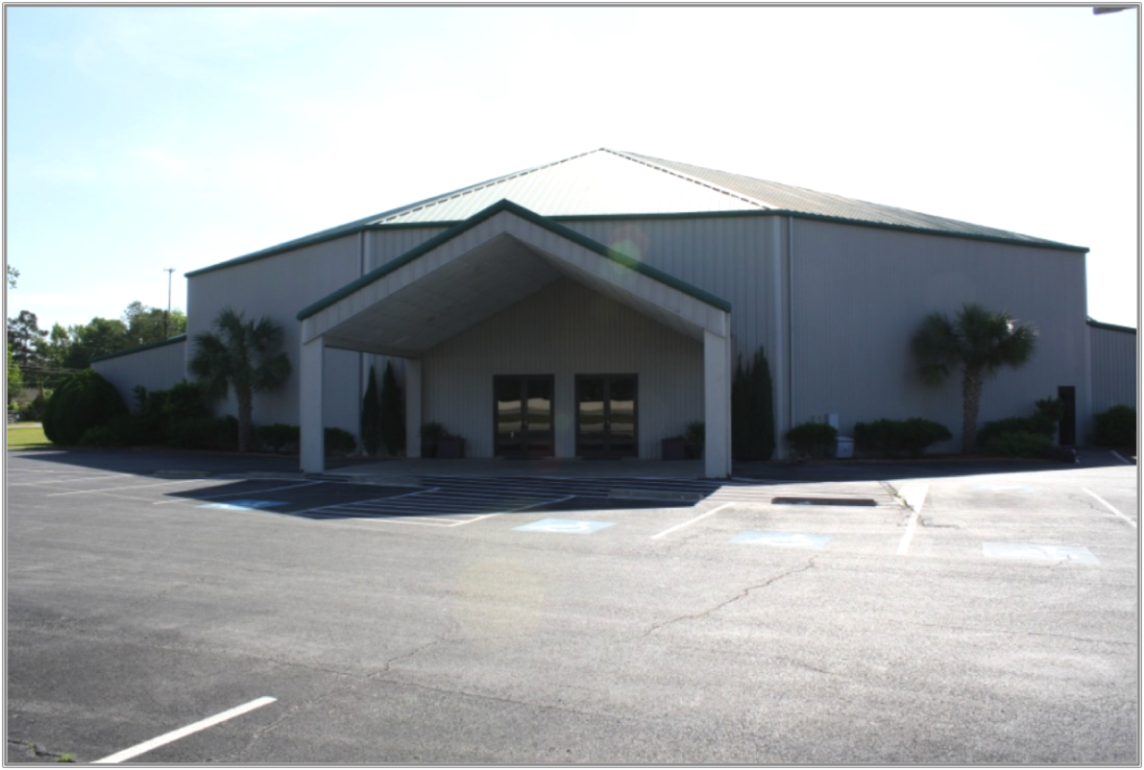
Church and Religious Building Roofing Roof Planning
- Roof walk notes tied to the building's access, drainage, and operating limits.
- Photos and observations that separate urgent protection from longer-term scope planning.
- Clear next steps for repair, maintenance, coating, recover, replacement, or further testing.
Roof Scope Notes
St. Michael's Episcopal Church on Meeting Street, consecrated in 1761 and one of the oldest church buildings in continuous use in the United States, sits at the geographic and spiritual heart of Charleston, South Carolina, and at the center of everything that makes ecclesiastical roofing in the Lowcountry a distinctive professional practice. The city's extraordinary concentration of pre-Civil War religious architecture, its subtropical coastal climate, and its uniquely layered preservation regulatory environment create demands on commercial roofing contractors that simply do not exist in inland markets, and the consequences of getting it wrong are measured not just in failed warranties but in damage to irreplaceable national cultural heritage.
Charleston's climate is dominated by high humidity, intense summer heat, and the constant threat of Atlantic hurricane systems that approach the South Carolina coast with minimal warning from June through November. A major hurricane making landfall near Charleston can expose church roofs to sustained winds above rain horizontally beneath even well-installed flashings if the original drainage pathways were not designed for extreme uplift conditions. Modern commercial roofing systems specified for Charleston churches must carry Miami-Dade or Florida Building Code product approvals even though the project sits in South Carolina, because these certifications represent the most rigorous wind and water resistance testing protocols currently available to specifiers.
The steeples and towers of Charleston's historic churches are cultural landmarks visible from the harbor and from blocks in every direction. St. Philip's Church's distinctive 200-foot steeple and St. Michael's 186-foot tower are navigational references that appear in centuries of maritime records, and their maintenance is watched by the entire preservation community. Contractors working on these structures must be prepared to use traditional lead-coated copper, copper, and terneplate cladding materials, to fabricate custom profiles replicating documented historical details, and to submit to review by the Charleston Historic District Architectural Review Board, the South Carolina State Historic Preservation Office, and in some cases the National Park Service if federal preservation funds are involved.
Capital campaign financing for Charleston's Episcopal, Presbyterian, and Baptist congregations often involves a combination of local donor campaigns, Episcopal Church Foundation loans, and in some cases South Carolina state historic preservation grant programs administered through the SC Department of Archives and History. Roofing contractors who understand these funding pathways can help congregations structure project scopes that align with grant eligibility requirements, which typically mandate historically appropriate materials and documented preservation methodology, while staying within capital campaign budgets that took years to assemble.
Summer scheduling in Charleston requires extraordinary attention because the combination of heat, humidity, and hurricane season creates a narrow window for comfortable and safe rooftop work. June through August temperatures routinely reach 95°F with heat indices exceeding 110°F, creating OSHA heat exposure obligations for roofing crews that contractors must actively manage through hydration protocols, mandatory rest periods, and early morning start times. Yet this same summer window is when most congregations prefer to schedule disruptive work because vacation Bible school occupies educational wings rather than sanctuaries, and summer wedding season is heaviest in fall and spring, not summer, in Charleston's traditional church calendar.
The Charleston Historic District Architectural Review Board operates under the regulations of the Board of Architectural Review, and projects within the Old and Historic District require a Certificate of Appropriateness before any exterior work can commence. This process involves submitting material samples, written descriptions of proposed work, and in some cases renderings or mock-ups of proposed restored elements. The Board meets monthly, meaning a contractor who misses the submission deadline faces a six-week delay before the next approval opportunity. Experienced Charleston roofing contractors build these timelines into their pre-construction schedules as standard practice.
Committee-based decision-making at Charleston's historic congregations is shaped by a particularly strong sense of institutional stewardship. Congregations that have maintained the same building for two or three centuries tend to have deeply embedded governance processes involving multiple layers of lay leadership, vestries, deacon boards, trustees, and historic preservation committees, each of which may have input into a roofing project. At St. Michael's, the Vestry has historically engaged an independent preservation architect to review any proposed scope before approving a contract, a practice common among the city's most historically significant congregations.
Questions Building Owners Ask
Related Roof Planning
Humidity & Moisture Damage Roof Repair
Charleston, SC humidity damage roof repair: we trace trapped moisture, blistering, ridging, and saturated insulation back to interior humidity and failed vapor.
Built-Up Roofing
Built-Up Roofing for Charleston commercial buildings. Roof inspection, documentation, repair, maintenance, and replacement planning.
Preventive Maintenance Programs
Preventive Maintenance Programs for Charleston commercial buildings. Roof inspection, documentation, repair, maintenance, and replacement planning.
Salt-Air Metal Roof Repair
Salt-Air Metal Roof Repair for Charleston commercial buildings. Roof inspection, documentation, repair, maintenance, and replacement planning.
Multifamily and Apartment Building Roofing
Roofing for apartment complexes, multifamily housing, and HOA-managed communities throughout Charleston, SC.
Drone & Thermal Roof Inspection
Charleston, SC drone roof inspection with aerial and thermal imaging: we map trapped moisture across large low-slope roofs without foot traffic, fly FAA Part 107 in.
Start With The Roof
Get
A Clear
Next Move.
Active leak, aging flat roof, coating question, replacement budget, or service agreement, start with the building address and what you are seeing. We will help move the roof from problem to plan.