Roof Work
Government and Municipal Building Roofing.
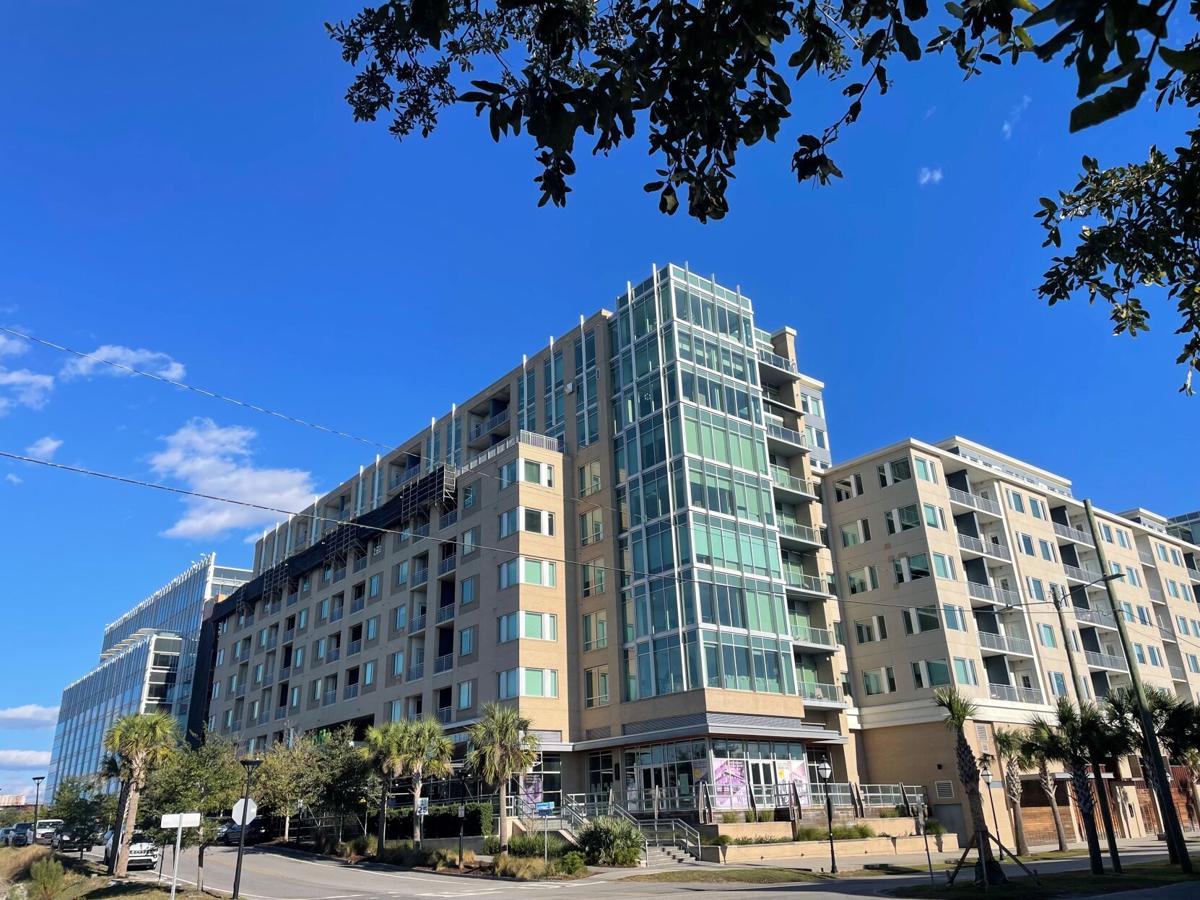
Commercial roofing for city halls, courthouses, fire stations, police stations, and public facilities throughout Charleston, SC.
Request Roof WalkGovernment and
Municipal Building Roofing
Government and Municipal Building Roofing Roof Planning
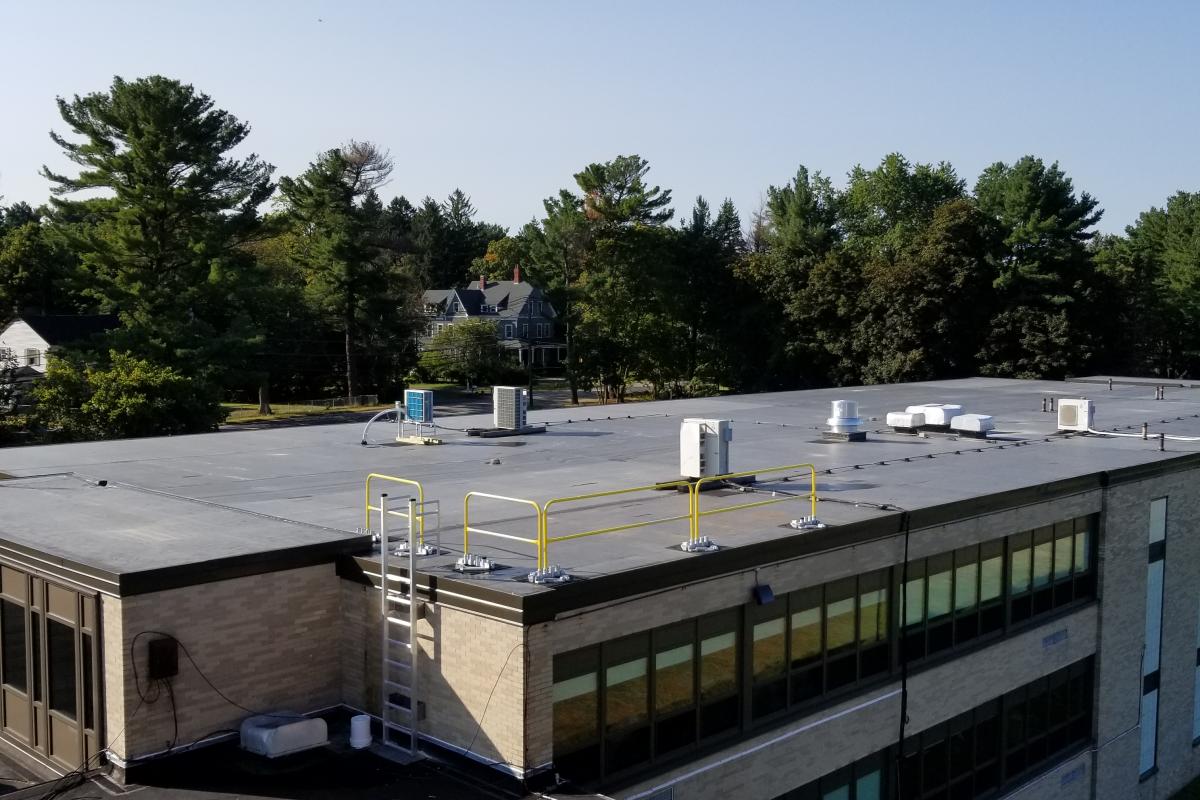
- Roof walk notes tied to the building's access, drainage, and operating limits.
- Photos and observations that separate urgent protection from longer-term scope planning.
- Clear next steps for repair, maintenance, coating, recover, replacement, or further testing.
Roof Scope Notes
Charleston's civic architecture is among the most distinctive in the American South - the Four Corners of Law at Broad and Meeting Streets alone encompasses a federal courthouse, a county courthouse, City Hall, and St. Michael's Episcopal Church within a single intersection. The roofing challenges on these and Charleston's broader portfolio of public buildings - from the Charleston County Consolidated Judicial Center to fire stations serving the peninsula and the outlying islands - are shaped by the Lowcountry's particular combination of hurricane exposure, extreme humidity, salt air, and the historic preservation obligations that govern one of the most rigorously protected urban cores in the country.
The City of Charleston and Charleston County both follow South Carolina procurement law, including the South Carolina Consolidated Procurement Code, for publicly funded roofing contracts. Projects above the competitive sealed bid threshold require public advertisement through the South Carolina Business Opportunities portal, and contractors must be licensed by the South Carolina Contractors' Licensing Board in the appropriate roofing classification before submitting a bid. The City of Charleston's Division of Procurement and Contracts administers the bid process, and compliance with minority business enterprise participation goals established under The City's Business Diversity Inclusion Program is evaluated at bid submission. Our team is licensed in South Carolina, registered on the SCBO portal, and carries MBE participation plans in every public bid package we submit in the Charleston area.
South Carolina does not have a statewide prevailing wage law, but federal funding flowing through the South Carolina Department of Transportation, FEMA's Hazard Mitigation Grant Program, or HUD Community Development Block Grants triggers federal Davis-Bacon wage requirements on covered construction activities. Many Charleston municipal roofing projects, particularly those involving facilities hardened after Hurricane Hugo and subsequent FEMA programs, involve federal funding and therefore require Davis-Bacon compliance. We maintain certified payroll systems calibrated to the federal wage determination process and have extensive experience submitting weekly payrolls to the Army Corps of Engineers Charleston District, FEMA Region IV, and USDA Rural Development offices that oversee federally funded civic projects in the Lowcountry.
The Lowcountry climate imposes specific and severe demands on roofing systems serving public buildings. Charleston averages 49 inches of annual rainfall, and the combination of intense summer thunderstorms, tropical systems that routinely brush the coast, and the salt-laden air off Charleston Harbor accelerates corrosion in unprotected metal components and degrades adhesives in conventionally bonded systems. Wind uplift requirements in Charleston's ASCE 7 exposure category demand fully adhered or mechanically fastened systems tested to the FM Global wind uplift ratings appropriate for the site's coastal exposure. After Hurricane Matthew and Hurricane Dorian caused significant damage to city-owned facilities on James Island and Johns Island, we shifted exclusively to specifying 90-mph-or-higher tested assemblies on all new government installations in the county.
Historic preservation constraints in Charleston are among the most exacting in the nation. The Board of Architectural Review, established under The City's historic preservation ordinance, has jurisdiction over all exterior changes to buildings in the Old and Historic District, which encompasses a substantial share of The City's public building stock including City Hall, the Charleston County Courthouse, and multiple fire station houses on the peninsula. A Certificate of Appropriateness from the BAR is required before a building permit can be issued for any exterior roofing work on covered structures. Material substitutions - such as replacing original slate with synthetic alternatives - face heightened scrutiny, and the BAR has rejected applications that did not demonstrate material and visual compatibility with original historic fabric.
The Charleston County government has invested significantly in facility improvements following storm damage assessments, and roofing contracts on county-owned buildings have increasingly included integrated stormwater management features. Green roof components, cistern integration, and enhanced drainage design are appearing in scopes for facilities like the Charleston County Library main branch on Calhoun Street and the Charleston County Detention Center campus. These systems require roofing contractors who can coordinate with civil engineers, landscape architects, and building officials to address the interplay between roof drainage design, stormwater ordinance compliance, and structural load analysis - a level of coordination we build into our pre-construction process as a standard deliverable.
Bonding and insurance requirements for City of Charleston and Charleston County roofing contracts reflect the value of the assets involved and the complexity of urban construction near occupied public facilities. Standard contract language requires commercial general liability of at least $1 million per occurrence with a $3 million aggregate, workers' compensation at statutory limits, and builders' risk coverage naming the county as loss payee during construction. Contractors working on historic structures may additionally be required to carry fine arts or historic structure rider coverage. Performance and payment bonds at 100% of contract value are required on projects above the procurement threshold, and we maintain bonding capacity that covers the full range of publicly advertised roofing contracts in the Charleston metro area.
Questions Building Owners Ask
Related Roof Planning
Commercial Roof Replacement in Charleston
Commercial roof replacement in Charleston with clear tear-off or recover scopes, system options, phasing, budgeting, and closeout documentation.
Skylight and Penetration Flashing
Skylight and Penetration Flashing for Charleston commercial buildings. Roof inspection, documentation, repair, maintenance, and replacement planning.
School and K-12 Educational Building Roofing
Commercial roofing for public and private schools, K-12 campuses, and educational facilities throughout Charleston, SC.
Hotel and Hospitality Property Roofing
Commercial roofing for full-service hotels, limited-service hotels, extended-stay properties, and hospitality brands throughout Charleston, SC.
TPO Single-Ply Roofing
TPO Single-Ply Roofing for Charleston commercial buildings. Roof inspection, documentation, repair, maintenance, and replacement planning.
Commercial Roof Leak Repair in Charleston
Commercial Roof Leak Repair for Charleston, SC commercial properties with documented conditions, practical next steps, and a clear path from immediate service to.
Start With The Roof
Get
A Clear
Next Move.
Active leak, aging flat roof, coating question, replacement budget, or service agreement, start with the building address and what you are seeing. We will help move the roof from problem to plan.