Roof Work
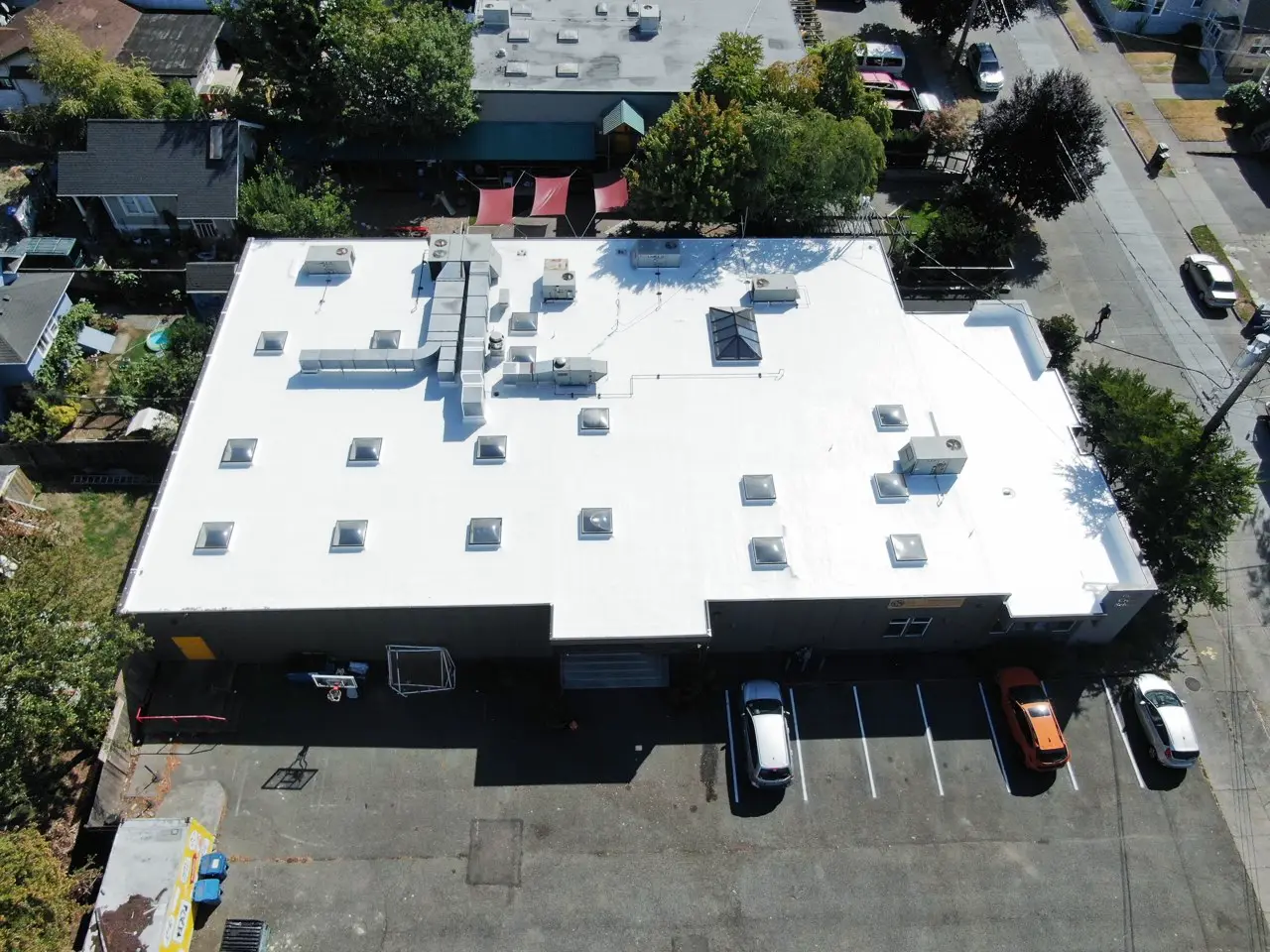
School and K-12 Educational Building Roofing.
Commercial roofing for public and private schools, K-12 campuses, and educational facilities throughout Charleston, SC.
Request Roof WalkSchool and
K-12 Educational Building Roofing
School and K-12 Educational Building Roofing Roof Planning
- Roof walk notes tied to the building's access, drainage, and operating limits.
- Photos and observations that separate urgent protection from longer-term scope planning.
- Clear next steps for repair, maintenance, coating, recover, replacement, or further testing.
Roof Scope Notes
Charleston County School District, serving more than 50,000 students across 90-plus schools on the South Carolina coast and barrier islands, manages a school building portfolio shaped by salt air, hurricane exposure, extreme humidity, and a building stock that ranges from historic brick structures in the peninsula neighborhoods to modern consolidated schools in the growing outer communities of Mount Pleasant, James Island, and West Ashley. CCSD is one of the largest districts in South Carolina by enrollment and by geographic territory, spanning a peninsula, multiple barrier islands connected by bridges, and mainland communities across a county that stretches from the coast to the edge of the Low Country interior.
Summer scheduling in CCSD is constrained by the district's extended construction window needs and the aggressive start of Atlantic hurricane season. School buildings in Charleston County are released in mid-June and return students in mid-August, a window of only about eight weeks that is shorter than most Southeast school districts. Contractors must mobilize immediately after school release and maintain aggressive construction schedules to achieve substantial completion before the district's mid-August return date. The overlap of this construction window with the peak of hurricane season creates the additional requirement that all active project sites maintain emergency storm response protocols from day one, with the capacity to secure open roof areas within 24 hours of a named storm advisory for the South Carolina coast.
South Carolina prevailing wage law does not currently mandate prevailing wages on public school construction projects, unlike most other southeastern states with major school districts, but Charleston County School District's own labor standards and the district's commitment to responsible contracting practices effectively create wage expectations for major district contracts. Federal-aid funded projects, including any work at schools receiving certain Title I or FEMA-funded improvements, may carry Davis-Bacon Act prevailing wage requirements that contractors must recognize and comply with when federal funds are part of the project funding mix.
Large institutional roofs at CCSD campuses include the consolidated high schools built during the district's major construction program of the 2000s and 2010s. James Island Charter High School, Academic Magnet High School, and R.B. Stall High School each have campus footprints with roof areas exceeding 150,000 square feet across multiple buildings, and their low-slope membrane systems are reaching the 15 to 20 year replacement horizon at which comprehensive re-roofing is more cost-effective than continued maintenance. Projects at this scale in the coastal environment require wind-rated assemblies meeting the higher design wind speeds applicable to Charleston's coastal location under the South Carolina Building Code.
District-wide roofing programs at CCSD are managed through the district's Facilities and Operations Department, which coordinates capital projects across the district's extensive portfolio with input from the school board's facilities committee. The district's five-year capital plan, updated annually, identifies priority projects by building condition and educational facility need, and roofing projects are sequenced within this plan based on urgency assessments from annual facility condition surveys. Contractors who engage with CCSD's facilities director and participate in the district's vendor qualification processes are positioned to receive bid packages for prioritized projects before they are publicly advertised.
Budget cycles at CCSD are governed by the South Carolina General Assembly's annual school funding formulas and the district's own property tax base, supplemented by periodic school bond referenda for capital projects. Charleston County's growing tax base, driven by significant residential and commercial development across the county, has supported bond programs that funded significant capital investment in school facilities over the past decade. Contractors who track CCSD board meeting agendas, publicly available, can identify bond authorization requests and capital project approvals that signal upcoming roofing solicitations.
Occupied safety protocols at CCSD construction sites reflect the district's legal obligations and reputational sensitivity as a public agency serving children. The district requires contractor-submitted Site-Specific Safety Plans before mobilization, daily safety briefings for all on-site workers, and physical isolation of all construction zones from any areas accessible to students or crews. Charleston County's hot-humid summer climate requires implementation of OSHA's heat illness prevention standards for all outdoor workers, with mandatory hydration breaks, shade rest areas, and buddy systems for heat illness monitoring that contractors must implement from the first day of mobilization.
Questions Building Owners Ask
Related Roof Planning
Commercial Solar Roof Integration
Charleston, SC solar-ready commercial roofing: we handle the racking penetrations, membrane compatibility, weight and uplift checks, and the warranty coordination.
Spray Foam Roofing
Spray Foam Roofing for Charleston commercial buildings. Roof inspection, documentation, repair, maintenance, and replacement planning.
Storm Damage Roof Repair
Storm Damage Roof Repair for Charleston commercial buildings. Roof inspection, documentation, repair, maintenance, and replacement planning.
Energy-Efficient Cool Roof Installation
Energy-Efficient Cool Roof Installation for Charleston commercial buildings. Roof inspection, documentation, repair, maintenance, and replacement planning.
University and College Campus Roofing
Commercial roofing for university buildings, dormitories, academic halls, and college campuses throughout Charleston, SC.
Commercial Roof Maintenance Programs in Charleston
Commercial roof maintenance programs in Charleston with scheduled inspections, drain and detail service, repair tracking, photos, and budget priorities.
Start With The Roof
Get
A Clear
Next Move.
Active leak, aging flat roof, coating question, replacement budget, or service agreement, start with the building address and what you are seeing. We will help move the roof from problem to plan.