Buildings
Veterinary Clinic & Animal Hospital Roofing.
Commercial roofing for veterinary clinic & animal hospital roofing in Charleston, SC - specifications, scheduling, and project coordination for this building type.
Request Roof WalkVeterinary Clinic
& Animal Hospital Roofing
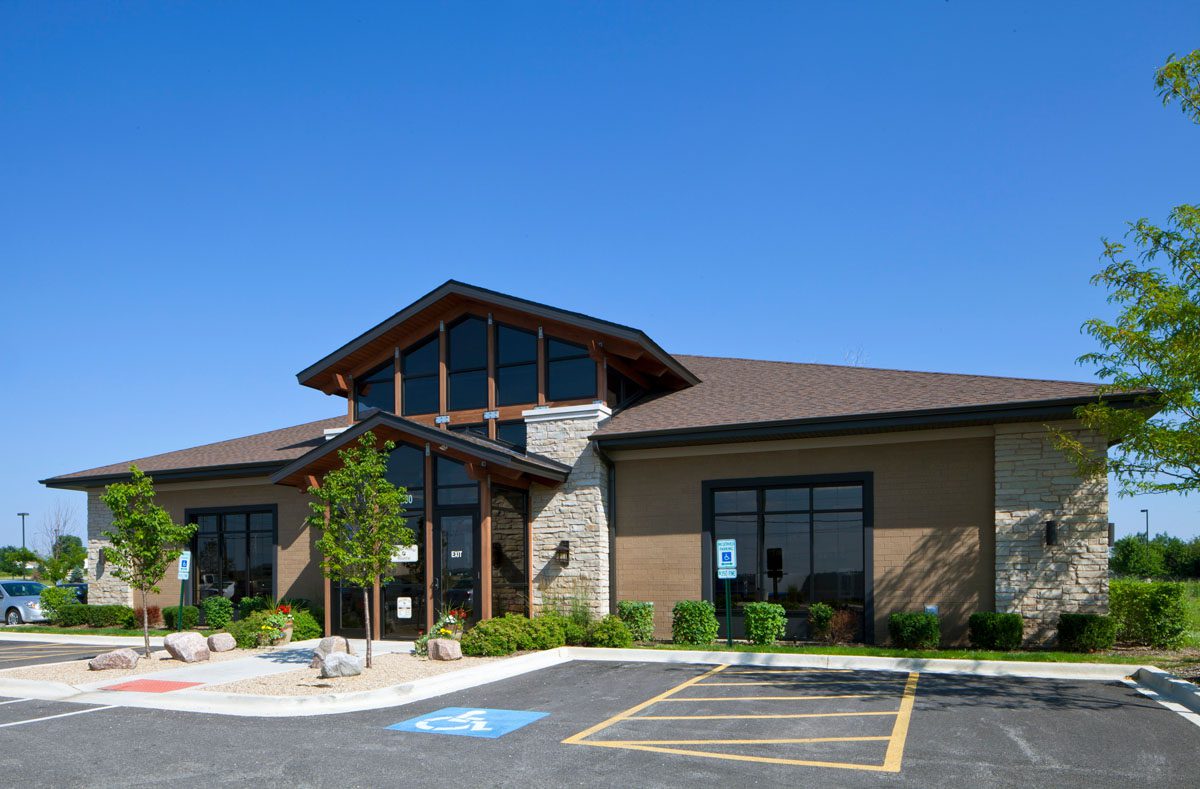
Veterinary Clinic & Animal Hospital Roofing Roof Planning
- Roof walk notes tied to the building's access, drainage, and operating limits.
- Photos and observations that separate urgent protection from longer-term scope planning.
- Clear next steps for repair, maintenance, coating, recover, replacement, or further testing.
Roof Scope Notes
Charleston's commercial corridors stretch along the I-26 and I-526 industrial ring, the Ashley Phosphate Road commercial belt, and the rapidly expanding Summerville and Goose Creek suburban employment zones. Veterinary clinics and animal hospitals in this market present scheduling and safety constraints specific to facilities where animal welfare governs the work window - surgery and treatment schedules, boarding facility occupancy, and odor-control HVAC penetration requirements all factor into the project coordination plan before mobilization.
That Charleston Medical Office Building Roofing detail matters because roof work can involve peninsula offices, I-26 logistics roofs, medical district buildings, port-area warehouses, hospitality roofs, coastal resorts, and retail roofs that cannot simply close while a roof is open.
Veterinary clinic and Animal Hospital Roofing in Charleston is scheduled around the patient calendar - which is not a simple thing to coordinate. Surgery days, boarding fill rates, and the clinic's own appointment schedule are all factors in when roofing work can safely proceed above each section of the building. A section with an orthopedic surgery scheduled below is not a section where overhead vibration is acceptable for the next 4 hours. A boarding wing with 30 dogs in residence is not a section where demolition noise proceeds without coordination. We review the clinic's weekly schedule with the practice manager before each phase of work begins.
Boarding areas within a veterinary facility present the most constrained scheduling challenge for re-roofing in Charleston. Animals in overnight care can't be moved easily - they require continuous monitoring, appropriate housing conditions, and protection from stress. Overhead construction noise and vibration are stressors for boarded animals, particularly dogs, cats, and exotic or avian patients that are sensitive to low-frequency vibration and sudden noise. We schedule the most disruptive roofing operations - tearoff, mechanical fastener driving, equipment lifts - to avoid periods of peak boarding occupancy, and we adjust the daily work schedule based on the boarding census the morning of each work day.
The practice manager's knowledge of the facility's daily rhythm is the most valuable planning resource for Veterinary Clinic re-roofing in Charleston. Quiet hours - the 7-9 AM preparation period before surgeries begin, the 1-3 PM post-surgical monitoring window, the boarding feeding and cleaning schedule - vary by clinic and can't be assumed from the posted business hours. We schedule a pre-construction meeting with the practice manager specifically to map the daily and weekly rhythm of the facility so our work plan reflects the actual operational constraints, not a generic medical facility schedule.
We confirm with the practice manager that no surgery is scheduled or in progress before beginning overhead work above a surgical suite or treatment area. For planned re-roofing phases above surgical areas, we request the surgery schedule 2-3 days in advance and plan the phase sequence to keep mechanical work away from surgical areas during scheduled procedure windows. Unplanned emergency surgeries - which can't be predicted - require the same stop-work protocol: when the practice manager notifies us of an emergency procedure, overhead work above the procedure area stops until the procedure is complete.
We request the boarding census from the practice manager each morning before the work day begins. If the boarding wing is at capacity with sensitive patients - recovering surgical patients, exotic animals, avian patients - we adjust the daily work sequence to keep disruptive operations away from the boarding area that day. For planned major phases above the boarding wing, we coordinate with the clinic to reduce the boarding census during the work window - the clinic may not be able to turn away boarding clients entirely, but they can avoid scheduling exotics and post-surgical boarders during the overhead work period.
Questions Building Owners Ask
Related Roof Planning
Auto Dealership Roofing
Auto Dealership Roofing for Charleston commercial buildings. Roof inspection, documentation, repair, maintenance, and replacement planning.
Self-Storage Facility Roofing
Self-Storage Facility Roofing for Charleston commercial buildings. Roof inspection, documentation, repair, maintenance, and replacement planning.
Movie Theater & Cinema Roofing
Movie theater roofing in Charleston, SC engineered for column-free long-span auditorium decks - sound insulation, dense rooftop HVAC, and work around showtimes.
Sports & Recreation Facility Roofing
Roofing for Charleston, SC sports and recreation facilities - long-span gym and arena decks, natatorium chloramine-resistant flashing, interior humidity control, and.
Brewery, Distillery & Food Production Roofing
Commercial roofing for brewery, distillery & food production roofing in Charleston, SC - specifications, scheduling, and project coordination for this building type.
Government and Municipal Building Roofing
Commercial roofing for city halls, courthouses, fire stations, police stations, and public facilities throughout Charleston, SC.
Start With The Roof
Get
A Clear
Next Move.
Active leak, aging flat roof, coating question, replacement budget, or service agreement, start with the building address and what you are seeing. We will help move the roof from problem to plan.