Buildings
Funeral Home & Mortuary Roofing.
Quiet, occupied-building roofing for Charleston, SC funeral homes and mortuaries - service-schedule phasing, prep-room exhaust handling, and hidden low-slope areas.
Request Roof WalkFuneral Home
& Mortuary Roofing
Funeral Home & Mortuary Roofing Roof Planning
- Roof walk notes tied to the building's access, drainage, and operating limits.
- Photos and observations that separate urgent protection from longer-term scope planning.
- Clear next steps for repair, maintenance, coating, recover, replacement, or further testing.
Roof Scope Notes
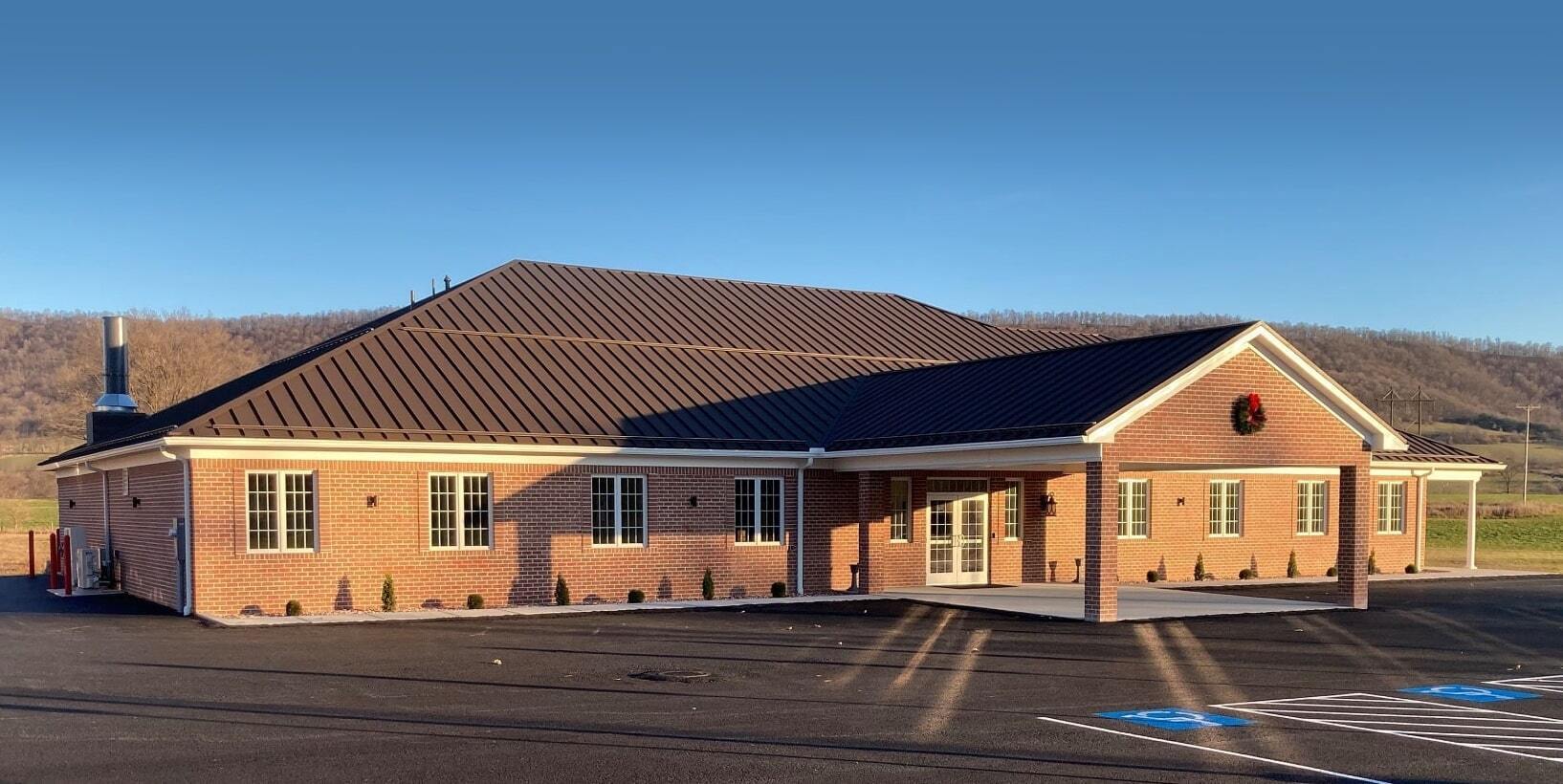
A Funeral Home cannot reschedule a visitation because there is a roofing crew on site, and that single fact shapes everything we do on these buildings. We roof mortuaries, funeral chapels, and crematory facilities throughout the Charleston area, from the older parlors near the peninsula and West Ashley to the newer suburban homes serving Mount Pleasant, Summerville, and the growing communities off Clements Ferry Road on Daniel Island. The work has to be quiet, clean, and invisible to the families walking through the front doors.
Charleston gives this building type a distinct mix. Established funeral homes occupy converted historic structures on and around the peninsula with aging built-up or modified bitumen roofs, while the population growth in Berkeley and Dorchester counties has pushed newer purpose-built homes out along the I-26 corridor toward Summerville and Goose Creek. A century-old parlor with a low-slope addition behind a steep front gable and a 2015 facility with a single clean membrane field are two completely different roofing problems, and we scope each on its own terms.
Our first conversation on any Funeral Home roof is not about membrane. It is about the calendar. We ask the director for the rolling schedule of services and visitations, then build the work plan around it. Loud tear-off and fastening happen in windows when the chapel and visitation rooms are empty, and we stand down or move to the far side of the roof when a family is present. Staging, dumpsters, and the material crane stay off the front approach and the porte-cochere where mourners arrive, routed instead to a service drive or rear lot.
Dignity is part of the specification here in a way it is not on a warehouse. Crews keep noise and conversation down, the property stays tidy at the end of every shift, and we never leave torn-open roof or scattered debris over a weekend when services are most likely. The building has to look composed from the street the entire time the project runs.
The embalming and preparation suite is the technical heart of a mortuary roof. These rooms run under negative pressure with dedicated rooftop exhaust to carry off formaldehyde and other chemical vapors, and that exhaust cannot be capped or interrupted while the home is operating. We locate the prep-room exhaust stack and any fume hood discharge before mobilization and treat them as standalone flashing items with the director's sign-off, keeping the fans running throughout. Chemical vapor at the discharge also degrades nearby metal and some adhesives faster than ordinary rooftop conditions, so flashing materials near those stacks are chosen for that exposure rather than pulled from a generic detail.
Funeral chapels often carry a clear-span ceiling of forty to sixty feet with no interior columns, which puts real wind-uplift demand on the deck and attachment. We evaluate the deck type and existing fastening before settling on a system for those spans. Just as common in Charleston are the buildings where a dignified steep-slope front hides flat or near-flat roof areas over additions, connectors, and rear service wings. Those low-slope sections behind the showpiece roofline are where the leaks actually start, and they are easy to underprice if no one walks the whole roof.
On the older converted homes we expect layered built-up roofing over wood or concrete decks. We core and run a moisture survey before recommending a recover, because trapped wet insulation under a surface that still looks serviceable is the rule on these buildings, not the exception. Porte-cocheres and covered entry canopies get their own look as well, since the canopy-to-wall transition is a recurring source of the slow drips that stain a ceiling right where families gather.
Questions Building Owners Ask
Related Roof Planning
Daycare & Childcare Facility Roofing
Commercial roofing for daycare & childcare facility roofing in Charleston, SC - specifications, scheduling, and project coordination for this building type.
Distribution Center Roofing
Distribution Center Roofing for Charleston commercial buildings. Roof inspection, documentation, repair, maintenance, and replacement planning.
Multifamily and Apartment Roofing
Multifamily and Apartment Roofing for Charleston commercial buildings. Roof inspection, documentation, repair, maintenance, and replacement planning.
Religious Facility Roofing
Religious Facility Roofing for Charleston commercial buildings. Roof inspection, documentation, repair, maintenance, and replacement planning.
Industrial Flex Space Roofing
Industrial flex roofing in Charleston, SC for multi-tenant low-slope buildings - penetration inventories, abandoned curbs, vacancy-transition checks, and per-square.
Warehouse and Distribution Center Roofing
Commercial roofing for warehouses, distribution centers, and industrial facilities throughout Charleston, SC. TPO, EPDM, and metal roof systems.
Start With The Roof
Get
A Clear
Next Move.
Active leak, aging flat roof, coating question, replacement budget, or service agreement, start with the building address and what you are seeing. We will help move the roof from problem to plan.