Roof Work
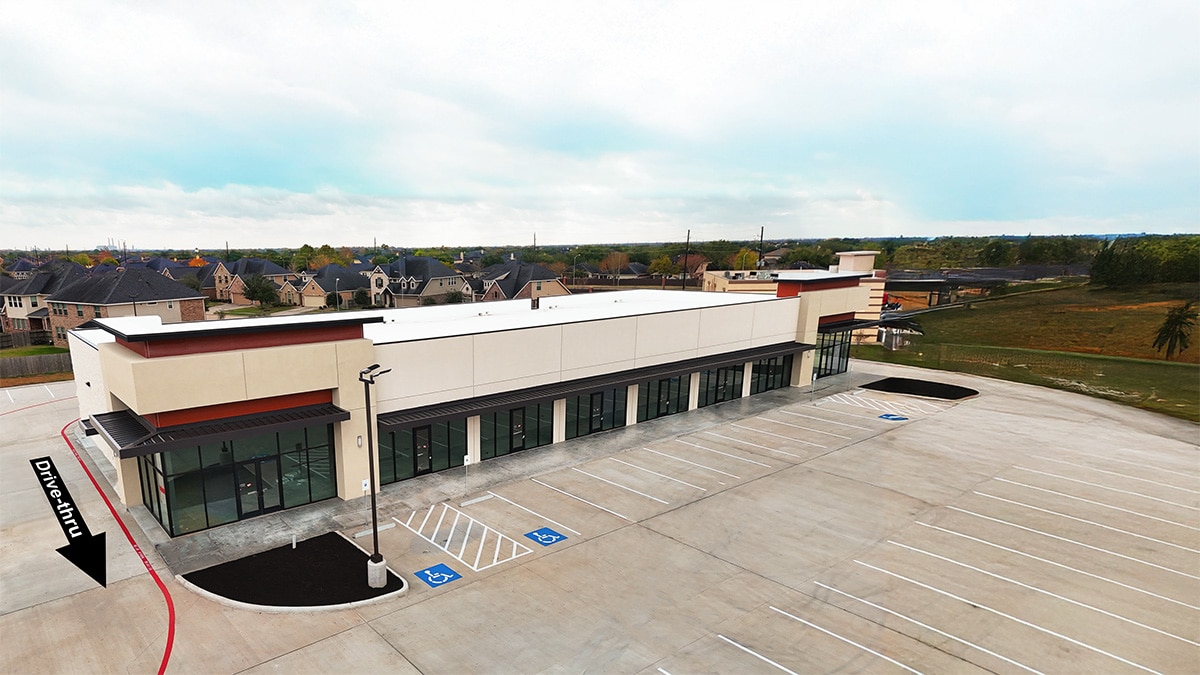
Retail and Shopping Center Roofing.
Commercial roofing for strip malls, shopping centers, anchor stores, and standalone retail buildings throughout Charleston, SC.
Request Roof WalkRetail and
Shopping Center Roofing
Retail and Shopping Center Roofing Roof Planning
- Roof walk notes tied to the building's access, drainage, and operating limits.
- Photos and observations that separate urgent protection from longer-term scope planning.
- Clear next steps for repair, maintenance, coating, recover, replacement, or further testing.
Roof Scope Notes
Charleston's retail market reflects the city's dual identity as both a historic coastal destination and a rapidly growing regional commercial hub. King Street's boutique retail corridor and the dense mixed-use development in the Upper Peninsula contrast sharply with the large-format shopping centers anchoring the suburban sprawl along Highway commercial corridor in North Charleston. Property owners managing retail assets across the Lowcountry face a roofing environment shaped by salt air, tropical moisture, Atlantic hurricane threats, and intense summer UV that degrades roofing materials faster than most inland markets.
Hurricane preparedness is not a theoretical concern for Charleston retail property owners - it is an operational requirement. The Lowcountry's exposure to storm tracks that push up the coast from the Gulf and the Atlantic means that commercial roofs must be designed and maintained to resist wind uplift that can reach 130 miles per hour in a major event. Fully adhered TPO or PVC membrane systems with enhanced perimeter fastening patterns, installed to ASCE 7 wind zone requirements, provide meaningfully better performance in high-wind events than mechanically attached systems with standard fastening patterns. After Hurricane Dorian's impacts along the South Carolina coast, several shopping center owners near Folly Beach Road and James Island accelerated planned roof replacements specifically to address wind uplift vulnerabilities.
Salt air exposure accelerates corrosion on every metal roofing component in the Charleston metro. Flashings, coping caps, drain bodies, and HVAC curb frames on properties within a few miles of the coast or the tidal marshes of the Ashley and Cooper rivers will corrode faster than inland properties, requiring more frequent inspection and targeted replacement. Specifying stainless steel or hot-dip galvanized components on retail roofs in the coastal zone - rather than standard galvanized steel - extends service life significantly and reduces the frequency of flashing repairs that trigger leak callbacks.
Flat roof drainage on Lowcountry retail properties has to be sized for the rainfall intensity that Charleston's summer thunderstorm pattern delivers. The region routinely sees three to five inches of rain in a single event, and retail roofs with undersized drain systems or clogged scuppers can accumulate dangerous ponding loads in a short period. Property managers at centers like Northwoods Mall area corridors or the newer Town Center developments in Mount Pleasant should include drain flow-rate verification as part of their annual roof assessment, not just a visual inspection for debris.
TPO reflective roofing makes compelling sense for Charleston retail properties because cooling energy costs in the Lowcountry are substantial. A flat roof membrane that reflects solar heat rather than absorbing it reduces the heat load transmitted into the building, lowering the demand on rooftop HVAC units that are already working hard from April through October. Energy Star-rated TPO systems also contribute to green building certifications that some national retail tenants require as part of their brand sustainability commitments, making the material selection a dual benefit for property owners.
Tenant disruption management at Charleston retail properties must account for the tourism-driven traffic patterns that affect even non-tourist-facing tenants. A strip center on Coleman Boulevard in Mount Pleasant or on Sam Rittenberg Boulevard in West Ashley sees elevated traffic on weekends and holidays tied to the region's tourism economy, which compresses the window for disruptive roof work to weekday mornings. Contractors who can mobilize on a Monday and complete work in a section before the weekend rush allow property managers to maintain tenant satisfaction while still moving projects forward on reasonable timelines.
The growth of East Cooper retail - particularly the developments around the new Roper St. Francis hospital campus and the Park West community in Mount Pleasant - has introduced a significant volume of relatively new Retail Roofing into the Charleston market. Even newer roofs require proactive maintenance to perform through their warranty periods in the Lowcountry's aggressive climate. A maintenance agreement that includes biannual inspections, seam and penetration spot repairs, and detailed condition reporting keeps newer systems performing at their design specification and preserves the manufacturer warranty that protects the property owner's investment.
Questions Building Owners Ask
Related Roof Planning
Spray Foam Roofing
Spray Foam Roofing for Charleston commercial buildings. Roof inspection, documentation, repair, maintenance, and replacement planning.
Storm Damage Roof Repair
Storm Damage Roof Repair for Charleston commercial buildings. Roof inspection, documentation, repair, maintenance, and replacement planning.
Energy-Efficient Cool Roof Installation
Energy-Efficient Cool Roof Installation for Charleston commercial buildings. Roof inspection, documentation, repair, maintenance, and replacement planning.
Multifamily and Apartment Building Roofing
Roofing for apartment complexes, multifamily housing, and HOA-managed communities throughout Charleston, SC.
Humidity & Moisture Damage Roof Repair
Charleston, SC humidity damage roof repair: we trace trapped moisture, blistering, ridging, and saturated insulation back to interior humidity and failed vapor.
R-Panel Metal Roofing
R-Panel Metal Roofing for Charleston commercial buildings. Roof inspection, documentation, repair, maintenance, and replacement planning.
Start With The Roof
Get
A Clear
Next Move.
Active leak, aging flat roof, coating question, replacement budget, or service agreement, start with the building address and what you are seeing. We will help move the roof from problem to plan.