Roof Work
Multifamily and Apartment Building Roofing.
Roofing for apartment complexes, multifamily housing, and HOA-managed communities throughout Charleston, SC.
Request Roof WalkMultifamily and
Apartment Building Roofing
Multifamily and Apartment Building Roofing Roof Planning
- Roof walk notes tied to the building's access, drainage, and operating limits.
- Photos and observations that separate urgent protection from longer-term scope planning.
- Clear next steps for repair, maintenance, coating, recover, replacement, or further testing.
Roof Scope Notes
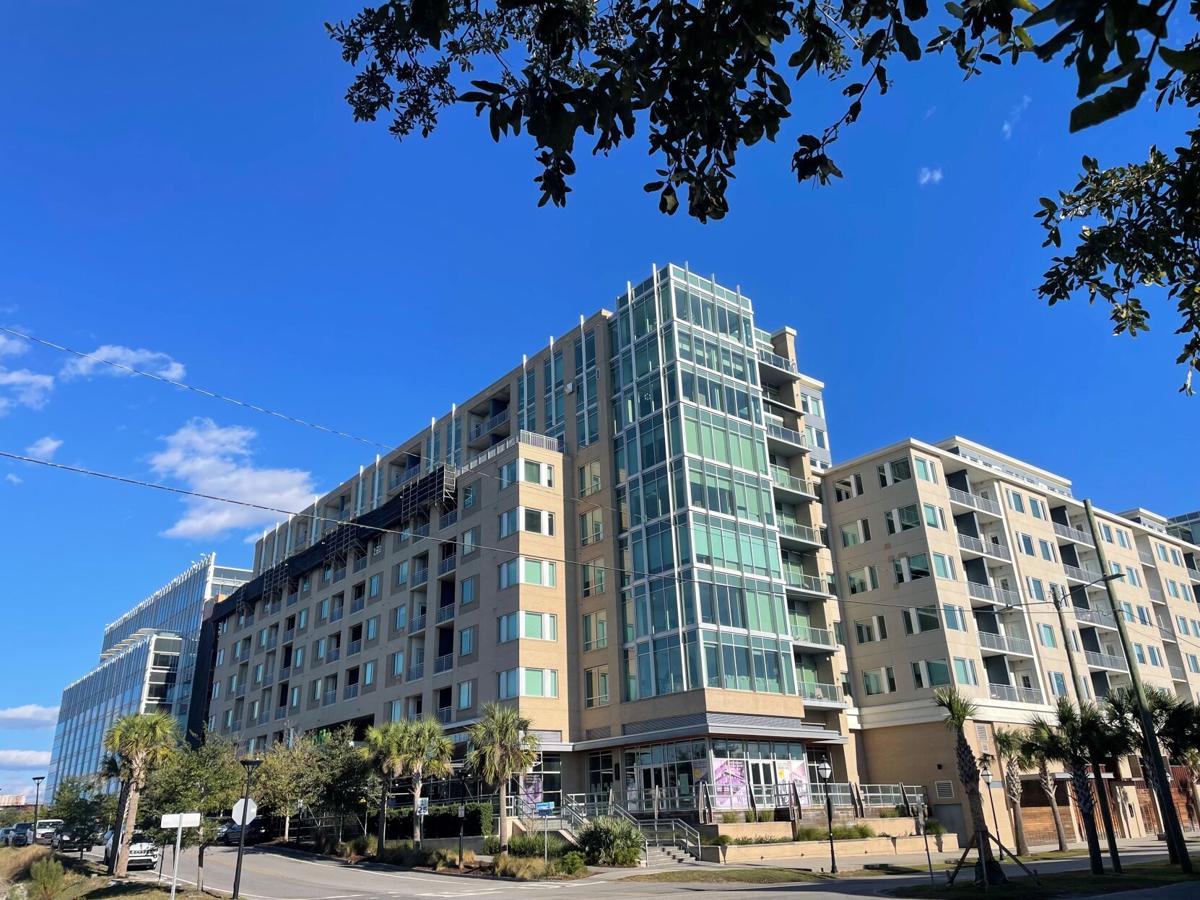
The Crescent Communities portfolio of multifamily developments across the Charleston Lowcountry, including the highly regarded Novel communities in Mount Pleasant and West Ashley, and the Woodfield Investments apartment communities in Summerville and North Charleston represent the institutional multifamily ownership that has grown dramatically in the tri-county area as migration from high-cost coastal metros has driven rental demand to historic levels. South Carolina's Lowcountry presents Multifamily Roofing with a unique set of challenges: hurricane wind uplift requirements that are among the strictest in the country, extreme humidity that accelerates balcony waterproofing deterioration, and a tenant base increasingly accustomed to amenity-rich communities where any construction disruption to amenity spaces generates immediate management attention.
Scheduling roofing work around occupied Charleston apartment units must account for the extended hot and humid summer that limits comfortable work hours and the hurricane season that runs from June 1 through November 30 and creates an urgent pre-season window for completing any roof work that will leave buildings in improved condition before tropical storms can test them. Property managers at Charleston multifamily communities typically push to complete all roofing construction before June 1 of each year, which creates a compressed spring construction window, February through May, where roofing contractor capacity in the tri-county market is heavily competed. Property managers who plan their reroofing projects 18 months in advance consistently secure better contractor availability and pricing than those who make decisions in the fall for spring delivery.
HOA coordination for Charleston's growing condominium communities, particularly the beachfront and waterfront communities on Sullivan's Island, Isle of Palms, and the Daniel Island planned community, involves South Carolina condominium association governance requirements under the South Carolina Horizontal Property Act. The Act requires proper trustee or board authorization for common area capital expenditures, and coastal condominium communities in Charleston County often have additional overlay requirements from their master-planned community declarations that specify material and color standards for roofing materials visible from common areas or waterfront corridors. Roofing contractors working in Charleston's coastal condo market must be familiar with these aesthetic overlay requirements and must confirm product selections against the applicable community standards before finalizing specifications.
Fire-rated roof assembly requirements for Charleston multifamily buildings are governed by South Carolina's adoption of the IBC, with the specific assembly listing required depending on the building's construction type and the occupancy height. The Lowcountry's significant stock of wood-frame three-story apartment buildings in Summerville, Goose Creek, and North Charleston requires fire-rated roof assemblies that address the combustible deck conditions, and South Carolina's State Fire Marshal has been increasingly active in enforcing fire assembly compliance on reroofing projects following several high-profile multifamily fires in the region. Any reroofing contractor working on a wood-frame Charleston multifamily building should pull a building permit that triggers fire-rated assembly review before beginning work.
Balcony and deck waterproofing is a high-priority maintenance issue in the Charleston market because the Lowcountry's humidity and rainfall combine to create the most aggressive waterproofing degradation environment in the continental United States. Elastomeric balcony coatings on Charleston apartment communities have typical service lives of six to eight years before recoating is required, and the balcony-to-wall transition on wood-frame construction is particularly vulnerable to moisture infiltration driven by wind-driven rain during tropical weather. Reroofing scopes on Lowcountry multifamily communities should always include a balcony waterproofing assessment, and any building where the balcony membrane exceeds eight years of age should be included in the roofing scope for simultaneous renewal.
Resident notice procedures for Charleston multifamily reroofing projects should account for the South Carolina Residential Landlord and Tenant Act's requirements for notice before entry for repairs and the community's lease agreement notification requirements. The Mount Pleasant and West Ashley Class A apartment markets have residents who are accustomed to professional property management and expect advance notice sufficient to plan around construction activity. Communities that provide residents with a project website or dedicated app notification channel for construction updates consistently achieve better resident satisfaction during reroofing projects than communities that rely solely on physical door-hanger notices.
Insurance claim handling for Charleston multifamily communities after hurricane or tropical storm events is one of the most financially significant property management activities that coastal South Carolina owners undertake. The gap between what a property's insurance policy pays for roof damage and the actual replacement cost can be substantial if the policy's replacement cost valuation has not been updated to reflect current construction costs, which have increased dramatically in the post-pandemic Charleston market. Property managers should work with their insurance broker annually to verify that the replacement cost valuation in the property policy reflects current Charleston construction costs, and should maintain pre-storm roof condition documentation that supports the maximum allowable claim for event-caused damage.
Questions Building Owners Ask
Related Roof Planning
Modified Bitumen Roofing
Modified Bitumen Roofing for Charleston commercial buildings. Roof inspection, documentation, repair, maintenance, and replacement planning.
Commercial Roof Inspection and Condition Report in Charleston
Commercial Roof Inspection for Charleston, SC commercial properties with documented conditions, practical next steps, and a clear path from immediate service to.
Insulation and Recovery Board
Insulation and Recovery Board for Charleston commercial buildings. Roof inspection, documentation, repair, maintenance, and replacement planning.
Self-Storage Facility Roofing
Commercial roofing for self-storage facilities, mini-storage buildings, and climate-controlled storage properties throughout Charleston, SC.
Commercial Roof Replacement Planning in Charleston
Commercial Roof Replacement for Charleston, SC commercial properties with documented conditions, practical next steps, and a clear path from immediate service to.
Spray Foam Roofing
Spray Foam Roofing for Charleston commercial buildings. Roof inspection, documentation, repair, maintenance, and replacement planning.
Start With The Roof
Get
A Clear
Next Move.
Active leak, aging flat roof, coating question, replacement budget, or service agreement, start with the building address and what you are seeing. We will help move the roof from problem to plan.