Roof Work
Office Building Roofing.
Commercial roofing for Class A, B, and C office buildings, suburban office parks, and downtown towers throughout Charleston, SC.
Request Roof WalkOffice Building
Roofing
Office Building Roofing Roof Planning
- Roof walk notes tied to the building's access, drainage, and operating limits.
- Photos and observations that separate urgent protection from longer-term scope planning.
- Clear next steps for repair, maintenance, coating, recover, replacement, or further testing.
Roof Scope Notes
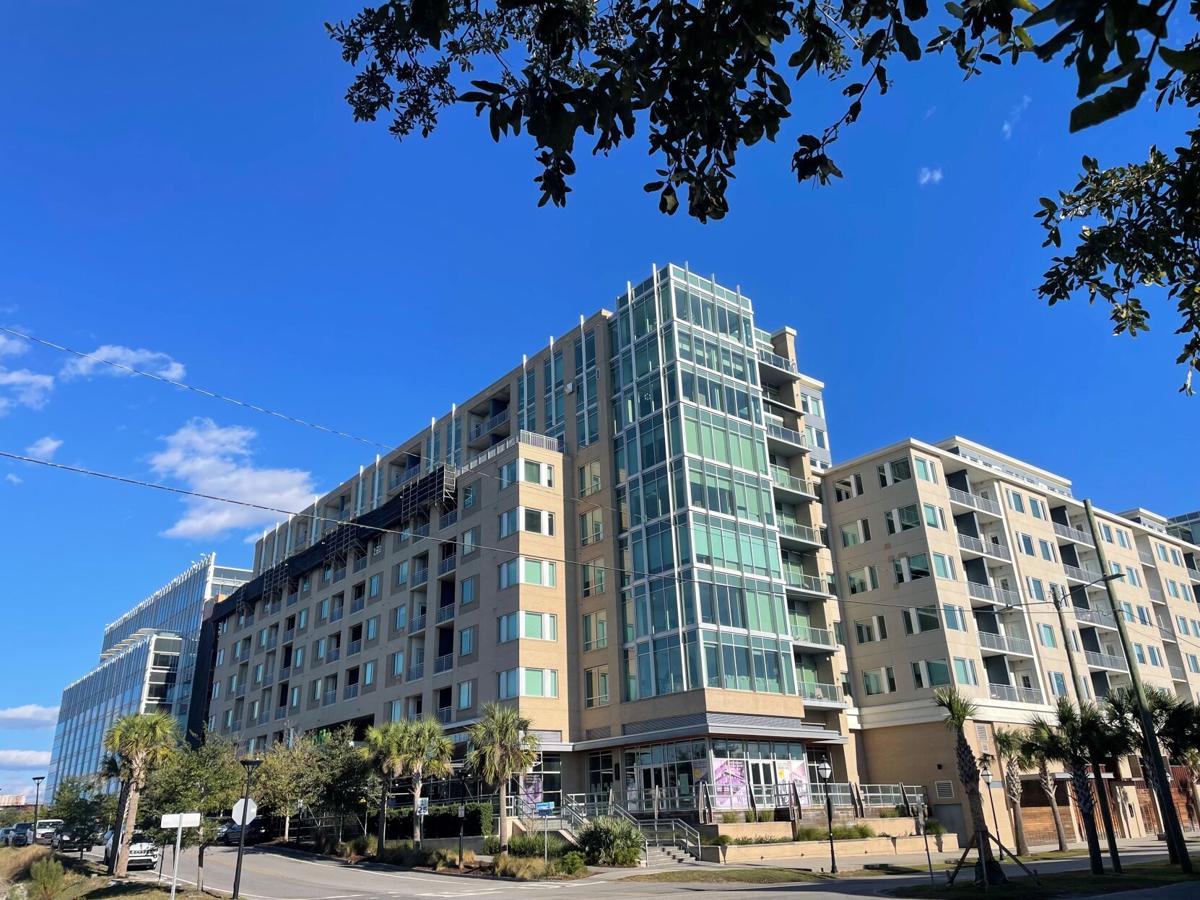
The Harbour View office campus in Mount Pleasant and the Dunes West corporate park in the growing East Cooper submarket represent the Class A office environment that Lowcountry building owners manage in one of the country's most challenging coastal climates. Charleston's commercial office market spans the historic downtown peninsula, where the Battery district's preservation requirements create unique roofing constraints, through the Midtown corridor and out into Mount Pleasant's rapidly expanding Class B and Class A suburban office developments along Highway 17 North. Each submarket presents distinct challenges for roofing contractors who must balance occupied building protocols, FM wind uplift requirements, and the aesthetic standards of a city that takes its built environment seriously.
Occupied-building protocols in Charleston's commercial office market are shaped by the Lowcountry's intense summer heat, which limits comfortable rooftop work hours and creates fume and odor infiltration risks for occupied buildings when roofing adhesives and primers are applied in temperatures above 90°F. Most Charleston office building owners restrict adhesive-applied roofing work to morning hours before noon from June through September, and project schedules must account for this productivity constraint when estimating completion timelines. Pre-construction air monitoring plans for buildings where air intakes are near rooftop work areas are increasingly requested by property managers of Class A Lowcountry office buildings, particularly in the medical professional and financial services segments where occupant air quality sensitivity is elevated.
Aesthetics and green roof options for Charleston office buildings must navigate the city's historic district regulations, which extend Architectural Review requirements to roof visibility from public ways in the peninsula historic district. Building owners seeking to install vegetated roofs or green roof assemblies on any building visible from a designated historic streetscape must obtain Board of Architectural Review approval before proceeding, and the review process can add three to six months to the project timeline. In the suburban Mount Pleasant and West Ashley office markets, no historic overlay applies, and vegetated roof assemblies are a growing feature of new Class A office developments where water management and sustainability credentials serve as competitive differentiators for tenants from the city's growing life sciences and technology sectors.
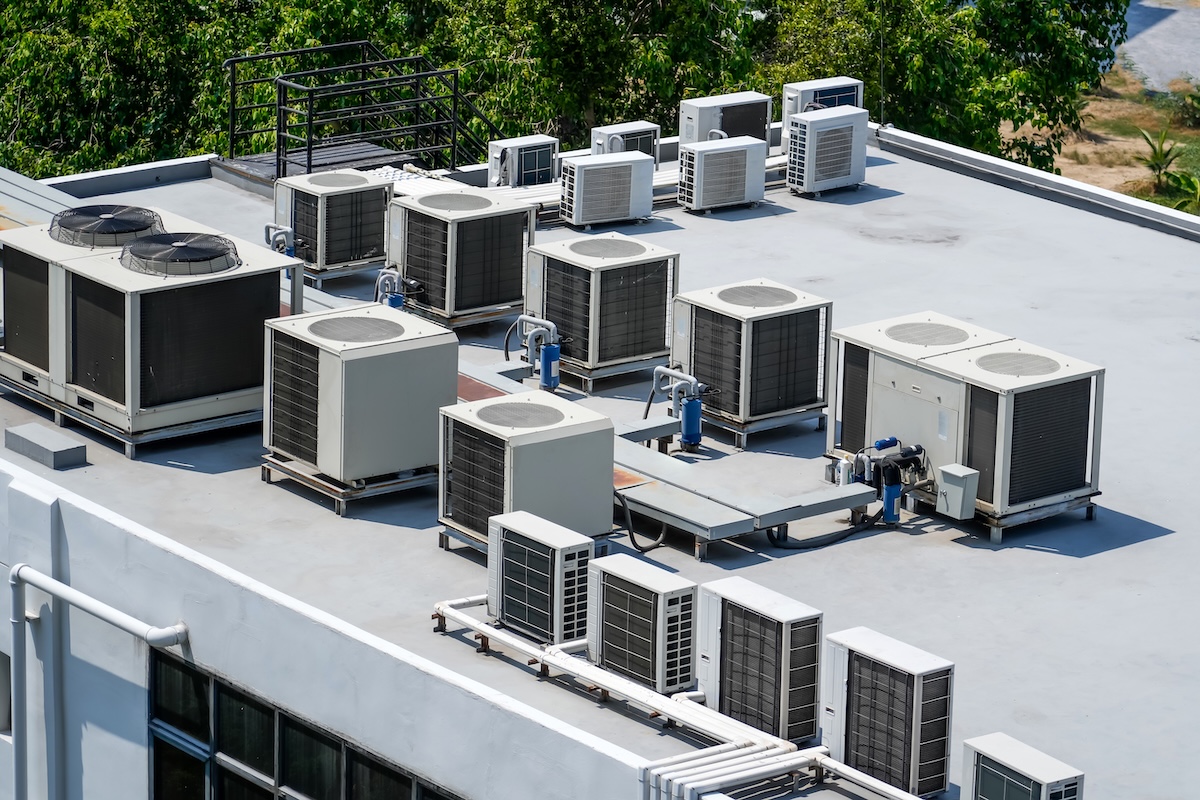
Multi-RTU coordination on Charleston office buildings involves the full complexity of a hot-climate HVAC system, typically with multiple rooftop package units serving different building zones, but adds the Lowcountry-specific challenge that refrigeration equipment operates under heavy load throughout most of the year, making temporary disconnections for membrane replacement a significant business interruption risk that requires careful scheduling. Charleston-area HVAC contractors can typically provide temporary portable cooling units during brief disconnection windows, but the cost of temporary cooling in a South Carolina summer makes minimizing disconnection time a financial priority. Roofing contractors with experience in Charleston's occupied office market plan their membrane sequencing to minimize simultaneous unit disconnection requirements.
Energy code compliance for Charleston office buildings is governed by South Carolina's commercial energy code, which adopts ASHRAE 90.1 as its reference standard. Charleston's Climate Zone 2A designation drives commercial roof assembly requirements toward thermal resistance values appropriate for a hot and humid environment, but the continuous insulation minimums under South Carolina's code are more modest than those required in northern markets. Building owners pursuing LEED certification or pursuing the voluntary High Performance Building designation in South Carolina's incentive structure will typically specify insulation beyond code minimum, and the combination of high cooling loads and SCE&G's tiered commercial rate structure makes incremental insulation cost recovery relatively fast for Charleston office buildings with high annual operating hours.
Reflective membrane is essentially the universal specification for Charleston office buildings because the city's hot, sunny climate makes solar heat gain reduction through the roof surface a clear and measurable energy efficiency benefit with no offsetting heating-season penalty to consider. White TPO or PVC membrane on a Charleston office building can reduce peak cooling load by 10 to 20 percent compared to a dark modified bitumen or BUR surface, and the ENERGY STAR roof certification available for qualifying reflective membranes is a straightforward path to a sustainability marketing credential that Charleston's commercial tenants increasingly mention in their building selection criteria. FM-approved reflective membranes that also carry the wind uplift ratings required for coastal Lowcountry projects are available from multiple manufacturers.
Lease renewal protection through roof condition documentation is particularly important in Charleston's tightening Class A office market, where quality tenants in the Mount Pleasant and downtown submarkets now have multiple competing options and where the distinction between a well-maintained building and a deferred-maintenance property is visible in annual lease renewal negotiations. South Carolina commercial landlord-tenant law provides tenants with remedies for failure to maintain building systems in accordance with lease covenants, and the humid Lowcountry climate means that a roof leak in a Charleston office building can progress from a minor membrane breach to mold contamination of interior finishes within 60 to 90 days, an outcome that creates both lease covenant liability and health code risk.
Questions Building Owners Ask
Related Roof Planning
KEE Single-Ply Roofing
KEE Single-Ply Roofing for Charleston commercial buildings. Roof inspection, documentation, repair, maintenance, and replacement planning.
Commercial Roof Leak Repair in Charleston
Commercial Roof Leak Repair for Charleston, SC commercial properties with documented conditions, practical next steps, and a clear path from immediate service to.
Roof Drains and Scuppers
Roof Drains and Scuppers for Charleston commercial buildings. Roof inspection, documentation, repair, maintenance, and replacement planning.
Auto Dealership Roofing
Commercial roofing for auto dealerships, car lots, service centers, and automotive facilities throughout Charleston, SC.
Mixed-Use Development Roofing
Commercial roofing for mixed-use buildings, urban infill developments, and live-work-play properties throughout Charleston, SC.
Built-Up Roofing
Built-Up Roofing for Charleston commercial buildings. Roof inspection, documentation, repair, maintenance, and replacement planning.
Start With The Roof
Get
A Clear
Next Move.
Active leak, aging flat roof, coating question, replacement budget, or service agreement, start with the building address and what you are seeing. We will help move the roof from problem to plan.