Roof Work
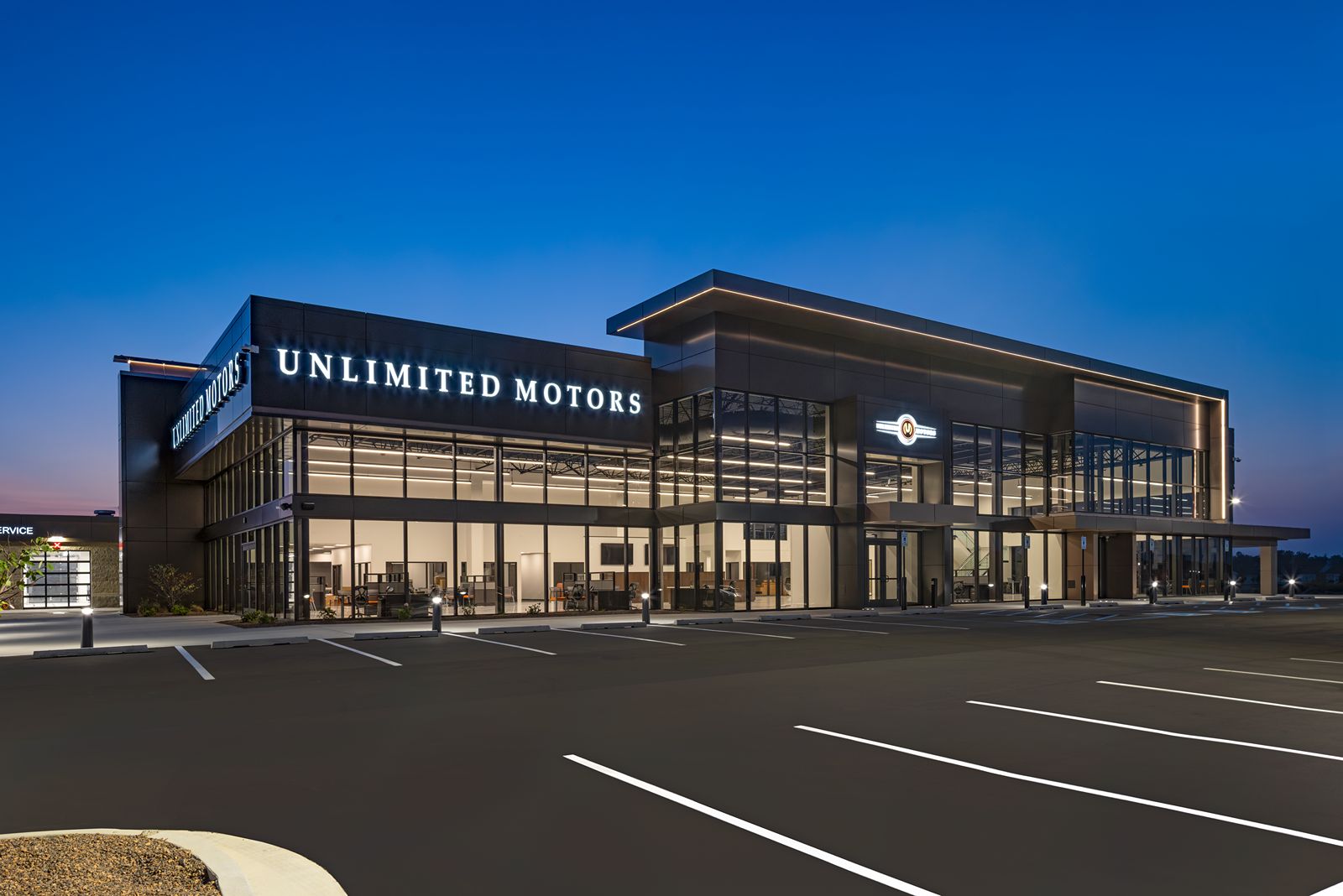
Auto Dealership Roofing.
Commercial roofing for auto dealerships, car lots, service centers, and automotive facilities throughout Charleston, SC.
Request Roof WalkAuto Dealership
Roofing
Auto Dealership Roofing Roof Planning
- Roof walk notes tied to the building's access, drainage, and operating limits.
- Photos and observations that separate urgent protection from longer-term scope planning.
- Clear next steps for repair, maintenance, coating, recover, replacement, or further testing.
Roof Scope Notes
Charleston's automotive retail market includes high-performing franchise operations such as the Hendrick Automotive Group locations along Savannah Highway and Rivers Avenue, serving customers throughout the Lowcountry in facilities designed to meet OEM brand standards while enduring the coastal climate challenges that define this market. Charleston dealerships face a combination of hurricane-season wind events, intense summer thunderstorms, salt-laden coastal air that accelerates metal corrosion, and the year-round heat and humidity that make roofing system selection and maintenance a genuine operational priority for every property manager in the region.
Wind uplift is the defining design parameter for dealership roofs in Charleston's coastal zone. South Carolina coastal building codes require roofing systems to meet the wind uplift ratings appropriate for the specific building's exposure category, height, and location relative to the coastline. Large-span showroom roofs, which may have limited structural depth at their edges, are particularly vulnerable to wind-induced uplift and require mechanically attached or fully adhered membrane systems with documented FM or UL uplift ratings. Contractors proposing ballasted systems or systems without documented uplift ratings on Charleston dealership roofs should be asked hard questions about their coastal experience.
Service department roofs in Charleston carry the standard complex penetration environment, skylights, exhaust fans, HVAC curbs, combined with the salt-air corrosion concern that distinguishes coastal markets from inland ones. Standard galvanized steel fasteners, edge metal, and accessory flashings begin corroding within a few years in Charleston's salt environment. Aluminum edge metal, stainless steel fasteners, and corrosion-resistant accessories specified for coastal exposure are appropriate for all metal components on Charleston dealership roofs. The incremental cost of corrosion-resistant specification is modest compared to the replacement and repair costs that standard metal components generate within 10 years.
Service bay skylights in Charleston dealerships provide natural light and reduce artificial lighting loads in service bays that operate through long summer days. In Charleston's climate, the concern is not ice accumulation, as it is in northern markets, but solar heat gain through skylights that are improperly sized or glazed with inadequate solar control. Upgrading skylight glazing to low-e coatings during a re-roofing project reduces summer heat gain in service bays, improving technician comfort and reducing cooling loads. Skylight curb flashings in Charleston must be designed for wind uplift, with counter-flashing that is mechanically fastened and sealed to resist wind-driven rain infiltration during storm events.
Occupied operations at Charleston dealerships during re-roofing require management of heat and humidity during the summer months when construction is often underway. Rooftop membrane installation in Charleston's summer heat, with surface temperatures exceeding 150 degrees, creates working condition challenges for crews and adhesive application challenges for fully adhered systems with temperature-sensitive adhesives. Experienced contractors schedule temperature-sensitive work for early morning hours and use adhesive formulations appropriate for Charleston's heat and humidity. Customer areas must be protected from the heat conducted through open membrane areas during phased construction.
OEM facility standards from luxury and import brands with significant presence in Charleston, BMW, Mercedes-Benz, Toyota, Honda, typically require that dealership facilities be maintained to brand standards. The coastal environment's corrosive effect on metal building components means that Charleston dealerships must be more proactive than inland counterparts about maintaining edge metal, coping, and flashing in acceptable condition. Annual facility reviews that include roofing system assessment help Charleston dealers stay ahead of OEM compliance issues before they trigger formal facility requirement notices.
Service canopy roofing at Charleston dealerships must be designed for the wind uplift conditions that exposed canopy structures experience during tropical storm events. Canopies that are not properly braced and with inadequately fastened edge metal can suffer significant damage in hurricane-related wind events, creating liability exposure from damaged vehicles and hazardous conditions for personnel. Any canopy re-roofing project in Charleston should include structural assessment of the canopy frame specifically for coastal wind loading, not just replacement of the membrane surface.
Questions Building Owners Ask
Related Roof Planning
Commercial Roof Maintenance Programs in Charleston
Commercial roof maintenance programs in Charleston with scheduled inspections, drain and detail service, repair tracking, photos, and budget priorities.
R-Panel Metal Roofing
R-Panel Metal Roofing for Charleston commercial buildings. Roof inspection, documentation, repair, maintenance, and replacement planning.
Emergency Commercial Roof Repair in Charleston
Emergency Roof Response for Charleston, SC commercial properties with documented conditions, practical next steps, and a clear path from immediate service to.
Warehouse and Distribution Center Roofing
Commercial roofing for warehouses, distribution centers, and industrial facilities throughout Charleston, SC. TPO, EPDM, and metal roof systems.
Healthcare Facility Roofing
Commercial roofing for hospitals, medical office buildings, surgical centers, and healthcare facilities throughout Charleston, SC.
EPDM Commercial Roofing
EPDM Commercial Roofing for Charleston commercial buildings. Roof inspection, documentation, repair, maintenance, and replacement planning.
Start With The Roof
Get
A Clear
Next Move.
Active leak, aging flat roof, coating question, replacement budget, or service agreement, start with the building address and what you are seeing. We will help move the roof from problem to plan.