Roof Work
Commercial Roof Insurance Claims.
Commercial roof insurance claim documentation for Charleston property owners: photo evidence, moisture readings, adjuster meetings, and full-scope damage assessments.
Request Roof WalkCommercial Roof
Insurance Claims
Commercial Roof Insurance Claims Roof Planning
- Roof walk notes tied to the building's access, drainage, and operating limits.
- Photos and observations that separate urgent protection from longer-term scope planning.
- Clear next steps for repair, maintenance, coating, recover, replacement, or further testing.
Roof Scope Notes
A commercial roof claim usually starts the same way in Charleston: a tenant reports a ceiling stain, a facilities manager notices ponding that was not there before a storm, or a routine walk turns up displaced flashing. We are a roofing contractor, not a public adjuster - we inspect, photograph, measure, and produce a damage assessment. We do not file the claim, negotiate the settlement, or promise a payout.
The documentation itself is specific: photos from multiple angles with a reference scale, moisture readings across the affected field and at penetrations, measurements of the affected square footage, and notes on membrane type, layer count, and approximate age.
Meeting the adjuster on the roof matters. We walk the same path the adjuster walks, point out damage that is easy to miss from the ground, and answer technical questions about the roof system on the spot.
Full-scope framing is where claims often get shorted. A repair estimate that only covers the visibly damaged section can miss a code-required insulation upgrade, tapered edge work needed to restore drainage, or a membrane that is no longer manufactured and cannot be truly matched. We build the scope to reflect what the roof actually needs.
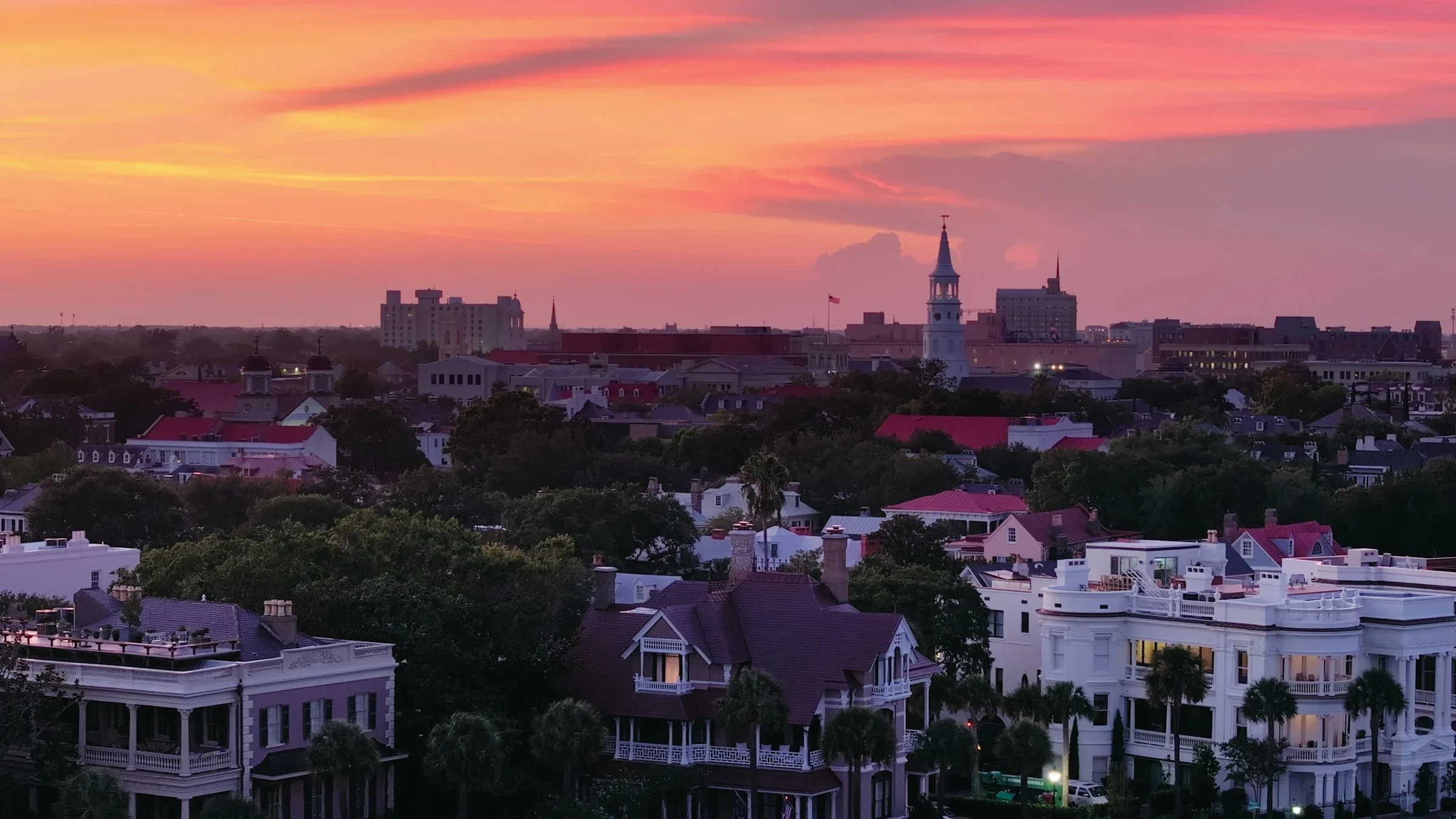
Historic-district properties along King Street and Meeting Street carry roof access and staging restrictions that belong in the claim file next to the damage photos. North Charleston's port and industrial buildings, including facilities near the aerospace corridor, often carry large low-slope membrane roofs where wind uplift and ponding read differently than a small retail roof.
Salt air and humidity are part of the Charleston claim picture even when a specific storm did not cause the damage. We separate acute storm damage from pre-existing deterioration in the documentation, since conflating them is one of the fastest ways a claim gets challenged.
Most commercial policies cover roof damage from a covered peril such as wind, hail, or a named storm, but whether that means repair or full replacement depends on the policy language, the roof's age, and how much of the system is affected. We document the actual condition of the roof so that determination is made on real evidence.
Questions Building Owners Ask
Related Roof Planning
Hurricane Roof Damage Insurance Claims
Hurricane and tropical-system roof damage documentation for Charleston commercial buildings: wind uplift, coping, and named-storm claim evidence.
Wind and Storm Damage Roof Insurance Claims
Documentation for wind, tropical system, and severe thunderstorm roof damage on Charleston commercial buildings, for owners working an insurance claim.
Insurance Claim Coordination
Adjuster roof-walk scheduling and documentation coordination for Charleston commercial roof insurance claims - photos, moisture readings, and scope notes.
Commercial Roof Leak Repair in Charleston
Commercial Roof Leak Repair for Charleston, SC commercial properties with documented conditions, practical next steps, and a clear path from immediate service to.
Emergency Commercial Roof Repair in Charleston
Emergency Roof Response for Charleston, SC commercial properties with documented conditions, practical next steps, and a clear path from immediate service to.
Commercial Roof Replacement in Charleston
Commercial roof replacement in Charleston with clear tear-off or recover scopes, system options, phasing, budgeting, and closeout documentation.
Start With The Roof
Get
A Clear
Next Move.
Active leak, aging flat roof, coating question, replacement budget, or service agreement, start with the building address and what you are seeing. We will help move the roof from problem to plan.