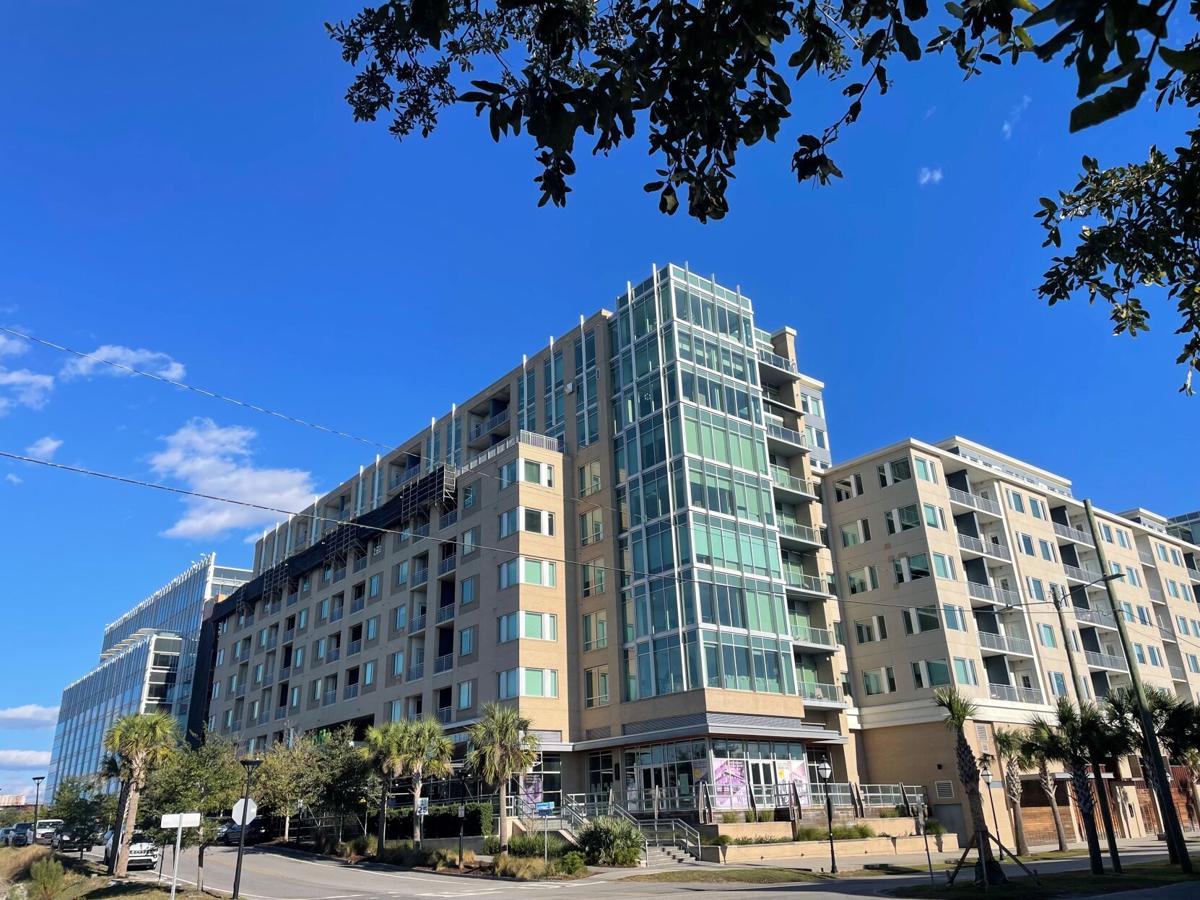
Buildings
Mixed-Use Development Roofing.
Roofing for Charleston, SC mixed-use developments - podium and plaza waterproofing, amenity decks, multi-owner warranty coordination, and phased work over occupied.
Request Roof WalkMixed-Use Development
Roofing
Mixed-Use Development Roofing Roof Planning
- Roof walk notes tied to the building's access, drainage, and operating limits.
- Photos and observations that separate urgent protection from longer-term scope planning.
- Clear next steps for repair, maintenance, coating, recover, replacement, or further testing.
Roof Scope Notes
A single mixed-use building can stack ground-floor retail, two or three floors of offices or apartments, a parking podium, and a rooftop amenity deck into one structure - and the roof scope has to answer all of those uses at once. We work on mixed-use projects across the Charleston market, where this product type has exploded along Upper King Street, through the redeveloping Neck and Upper Peninsula north of downtown, around WestEdge near the medical district, and out on Daniel Island and the Clements Ferry Road corridor. Treating the whole thing as one flat membrane plane is how these buildings end up with leaks the developer is still chasing five years later.
Charleston's geography pushes a lot of this density vertical. The peninsula is a constrained spit of land connected to West Ashley, James Island, Johns Island, and Daniel Island, and the city's preservation planning has steered new mixed-use growth into the Neck and Upper King rather than spreading it across protected historic blocks. That means tighter sites, taller buildings, occupied retail at the sidewalk, and residents living above the work - all of which constrain how a roof gets staged and sequenced.
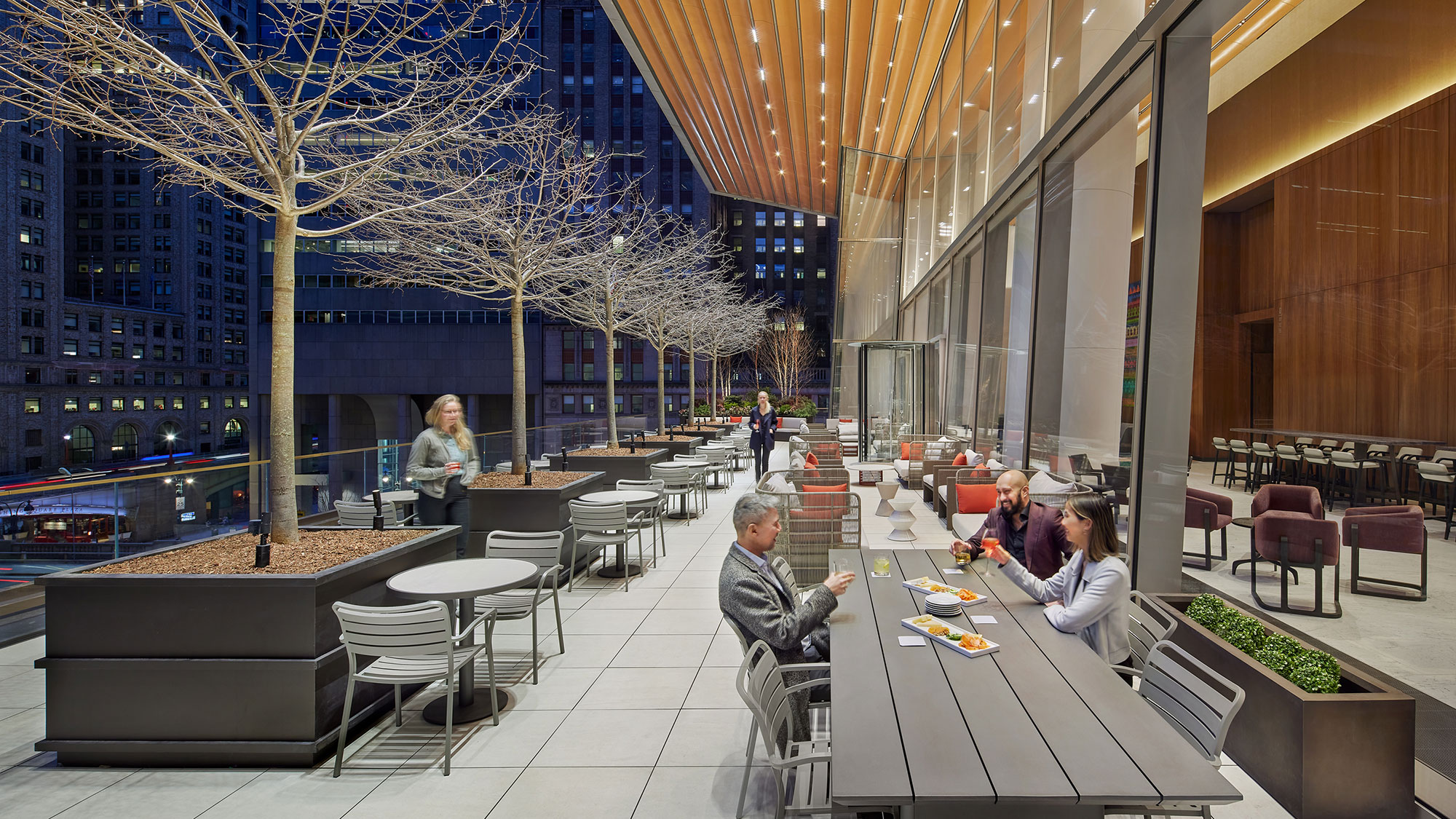
The thing that makes mixed-use roofing different is that the assemblies change as you move up the building. There is usually a low-slope membrane field over the top occupied floor, a parking-podium or plaza deck between grade-level uses and the residential floors above, parapet and penthouse conditions on the upper roof, and frequently an amenity terrace where people actually walk. Each of those is a separate specification with its own drainage, its own warranty, and its own failure consequences. We map them as distinct scopes and coordinate the transitions between them, because the transitions are where water finds its way in.
The deck over a parking podium or a ground-floor retail base, with apartments or a courtyard on top, is the most misunderstood surface on these buildings. It is a traffic-bearing waterproofing assembly, not a roof membrane - it has to carry pedestrian or vehicle loads, resist root intrusion under any landscaping, handle hydrostatic pressure in planters, and survive the deflection of an occupied structural slab. Specifying a standard single-ply membrane for a plaza or podium is the classic mixed-use mistake, and it typically fails within a few seasons with very expensive interior consequences in the units and retail below. We detail these with the structural engineer and the deck-finish contractor so the load path and the drainage composite are right before anything gets covered.
Mixed-use ownership is rarely simple. A condo association may own the residential roof while a commercial entity owns the retail base, and a lender sits behind the whole project at closeout. Roof warranties have to be registered to the right party for each area, and the boundaries between systems have to be documented so a future leak claim does not turn into a dispute over which membrane and which warranty applies. We organize the closeout package - submittals, manufacturer approvals, inspection reports, and NDL warranty registration by roof area - so the developer, the association, and the lender each get what they need.
On Upper King and through the Neck, these buildings are occupied while we work. Ground-floor restaurants and shops keep operating, residents are home in the evenings, and the sidewalk below is busy. We phase the work to keep retail entrances and the public way protected, contain debris and noise, and coordinate crane picks and material landing around the realities of a tight urban site. Charleston's noise considerations and the limited staging room downtown drive the schedule as much as the weather does, and daily dry-in is confirmed in writing before any crew leaves so an open section never sits over occupied apartments overnight.
A taller mixed-use building on the Charleston peninsula presents more exposed roof edge, more parapet, and more height to the wind than a single-story commercial box, and the upper roof and any amenity terrace take the brunt of coastal thunderstorm and tropical wind. Parapet coping, edge metal, and membrane termination at height all have to be secured for that exposure, because a failure there rains down on occupied units and the public sidewalk below. Drainage gets more complicated too: the upper roof, the podium deck, and any planter and terrace areas each need their own drainage path with overflow protection, and on a constrained urban site there is no margin for water that cannot get off the building fast. We coordinate the drainage design across all the roof areas so a heavy Lowcountry rain does not back up onto an occupied deck or into the structure.
Questions Building Owners Ask
Related Roof Planning
Automotive Manufacturing Facility Roofing
Automotive manufacturing roofing in Charleston, SC for acre-scale decks - phased zone sequencing, paint-shop hot-work plans, ventilation loads, and press vibration.
Fire Station & Emergency Services Facility Roofing
Commercial roofing for fire station & emergency services facility roofing in Charleston, SC - specifications, scheduling, and project coordination for this building.
Multi-Tenant Retail Strip Roofing
Multi-Tenant Retail Strip Roofing for Charleston commercial buildings. Roof inspection, documentation, repair, maintenance, and replacement planning.
Higher Education Roofing
Higher Education Roofing for Charleston commercial buildings. Roof inspection, documentation, repair, maintenance, and replacement planning.
Convenience Store Roofing
Convenience Store Roofing for commercial buildings across Charleston.
Roof Drains and Scuppers
Roof Drains and Scuppers for Charleston commercial buildings. Roof inspection, documentation, repair, maintenance, and replacement planning.
Start With The Roof
Get
A Clear
Next Move.
Active leak, aging flat roof, coating question, replacement budget, or service agreement, start with the building address and what you are seeing. We will help move the roof from problem to plan.