Industries
REIT Roofing Services.
Commercial roofing programs for REITs and institutional real estate investors managing commercial property portfolios throughout Charleston, SC.
Request Roof WalkREIT Roofing
Services
REIT Roofing Services Roof Planning
- Roof walk notes tied to the building's access, drainage, and operating limits.
- Photos and observations that separate urgent protection from longer-term scope planning.
- Clear next steps for repair, maintenance, coating, recover, replacement, or further testing.
Roof Scope Notes
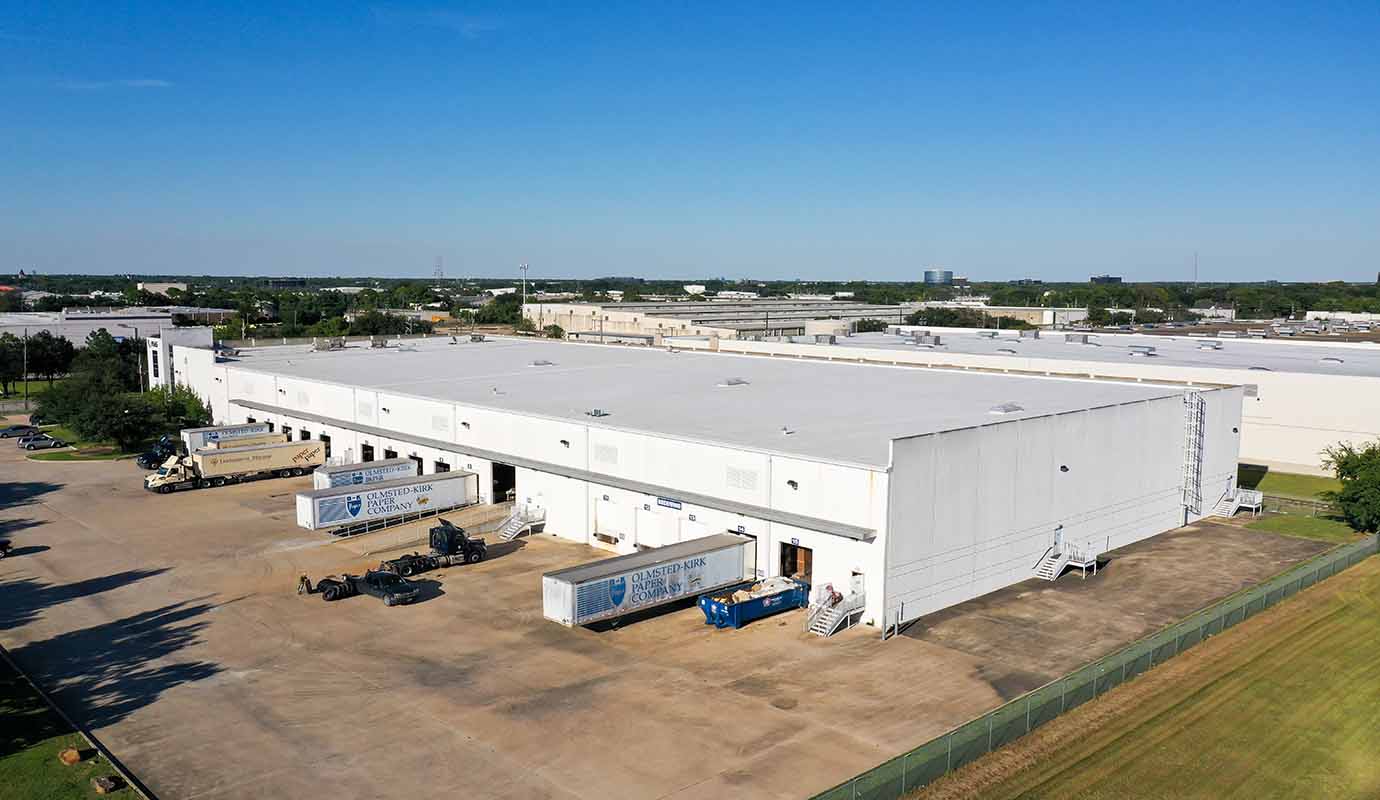
Prologis and EastGroup Properties have both been active in the Charleston logistics market, drawn by the Port of Charleston's status as one of the fastest-growing container ports on the East Coast and the resulting demand for distribution and logistics facilities in Berkeley and Charleston counties. Asset managers overseeing industrial properties in the Lowcountry manage roof systems on buildings where the proximity to port operations creates tenant mixes dominated by logistics, import distribution, and advanced manufacturing - tenants whose operational intensity makes building performance a constant priority rather than a periodic concern.
Industrial portfolio roofing management in Charleston requires a vendor program calibrated to the Lowcountry's specific climate and construction environment. Prologis and EastGroup industrial properties in the I-26 and I-526 corridors carry flat and low-slope roof systems exposed to South Carolina's subtropical climate - high humidity, intense summer heat, and a hurricane season that places the Charleston metro in a direct tropical storm threat zone every year from June through November. A master service agreement with one qualified local contractor who understands coastal South Carolina commercial roofing conditions gives asset managers reliable CAPEX data and verified emergency response capability when Atlantic storm systems arrive.
The NOI calculation for Charleston industrial properties reflects a market where port-driven logistics demand has compressed cap rates and elevated rents at a pace that makes every NOI variable meaningful. A distribution facility near the inland port in Dillon generating $580,000 annually in NOI, or a logistics building near the Wando Welch Terminal generating $720,000, carries a valuation where cap rate math amplifies the financial impact of even modest NOI perturbation. Asset managers who protect NOI through proactive roof maintenance are preserving valuation in a market where institutional acquisition competition keeps pricing at levels that leave no room for unpriced capital surprises.
Annual CAPEX planning for Charleston portfolio assets requires roof condition assessments that account for coastal South Carolina's climate effect on membrane useful life. High humidity and subtropical heat accelerate membrane aging relative to inland markets at similar latitudes. Hurricane exposure means the reserve model should include a storm damage reserve allocation - not just planned capital based on normal aging - because the probability of meaningful storm damage to at least some portfolio properties in any five-year period is significant in the Charleston market. Asset managers who build that scenario into their reserve models avoid the investor communication challenge of explaining why a hurricane created an unexpected CAPEX draw that the model never anticipated.
A property manager overseeing twelve Charleston commercial assets - port-area logistics facilities, distribution centers along I-26, and flex-industrial properties in the North Charleston industrial corridor - cannot manage twelve separate roofing vendor relationships while simultaneously handling the lease management, municipal permitting, and storm preparedness protocols that Lowcountry commercial property requires. A preferred vendor under a master service agreement covering all Charleston-area properties, with defined storm response protocols and a contractual commitment to prioritize your portfolio in post-event assessment and repair, is the operational infrastructure that hurricane-market asset management demands.
REIT accounting for roofing on Charleston industrial assets follows standard CapEx-versus-OpEx classification. Full replacements are capitalized and depreciated. Maintenance and emergency repairs are expensed. For EastGroup's typical triple-net industrial tenants, maintenance responsibility rests with tenants - but independent REIT inspections are essential in the Charleston market because coastal humidity creates deterioration patterns that tenant maintenance programs may not detect early enough to prevent significant damage. Documenting condition through the lease term gives asset managers evidence to enforce maintenance covenants and protect residual values at lease maturity in a market where disposition pricing depends on demonstrated building condition.
Charleston's industrial acquisition market has been one of the Southeast's most competitive as port expansion and logistics infrastructure investment have elevated the market's institutional profile. REITs acquiring industrial assets in Berkeley and Charleston counties are often competing against multiple bidders at cap rates that require disciplined underwriting to avoid overpaying for properties with undisclosed capital exposure. Pre-closing PCAs with detailed roofing assessments give acquisition teams the capital accuracy they need to maintain underwriting discipline - identifying deferred maintenance or coastal climate damage that may not be apparent without a qualified contractor's assessment.
Questions Building Owners Ask
Related Roof Planning
Religious and Non-Profit Organizations
Religious and Non-Profit Organizations for Charleston commercial buildings. Roof inspection, documentation, repair, maintenance, and replacement planning.
DST Roofing Services
Commercial roofing for Delaware Statutory Trust (DST) properties and 1031 exchange investors throughout Charleston, SC.
Commercial Real Estate and REITs
Commercial Real Estate and REITs for Charleston commercial buildings. Roof inspection, documentation, repair, maintenance, and replacement planning.
Healthcare Systems
Healthcare Systems for Charleston commercial buildings. Roof inspection, documentation, repair, maintenance, and replacement planning.
Retail Chain Operators
Retail Chain Operators for Charleston commercial buildings. Roof inspection, documentation, repair, maintenance, and replacement planning.
TPO Single-Ply Roofing
TPO Single-Ply Roofing for Charleston commercial buildings. Roof inspection, documentation, repair, maintenance, and replacement planning.
Start With The Roof
Get
A Clear
Next Move.
Active leak, aging flat roof, coating question, replacement budget, or service agreement, start with the building address and what you are seeing. We will help move the roof from problem to plan.